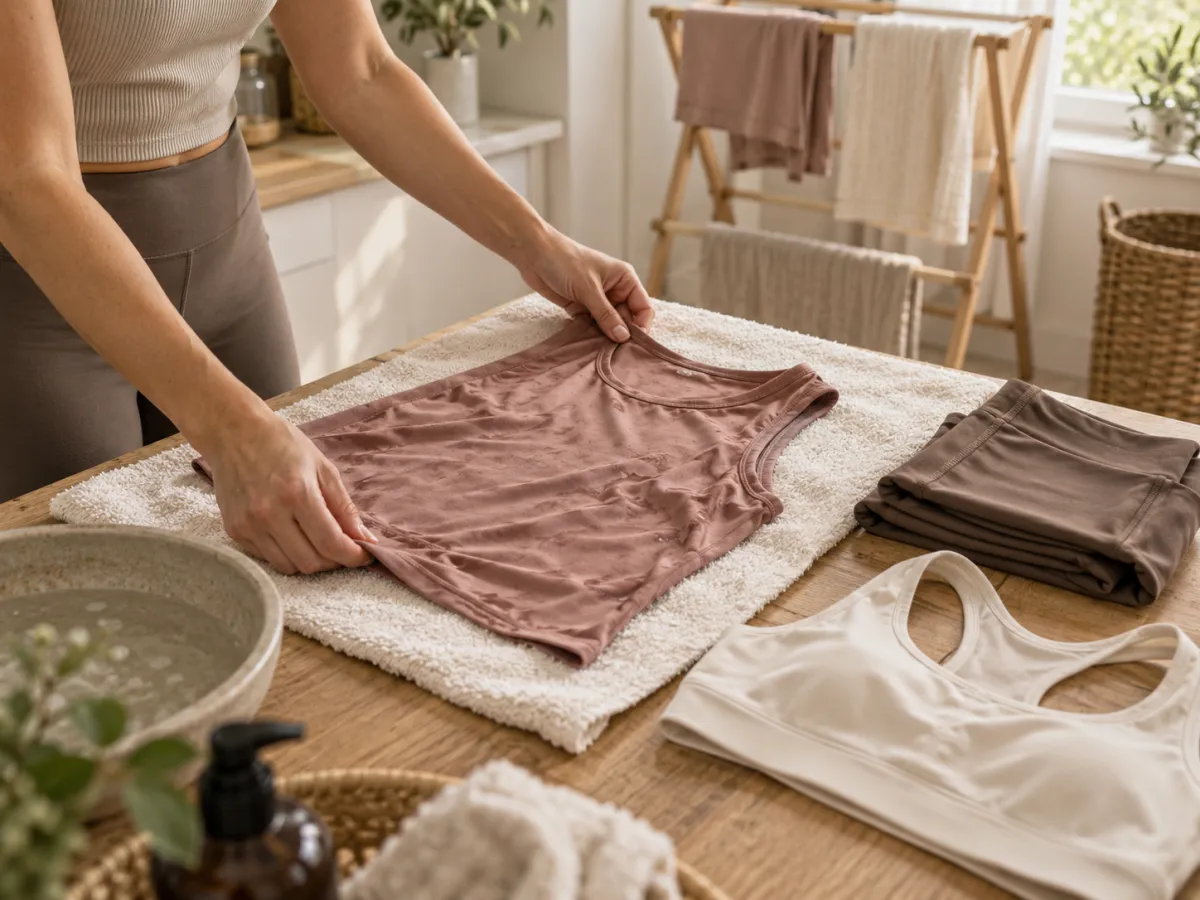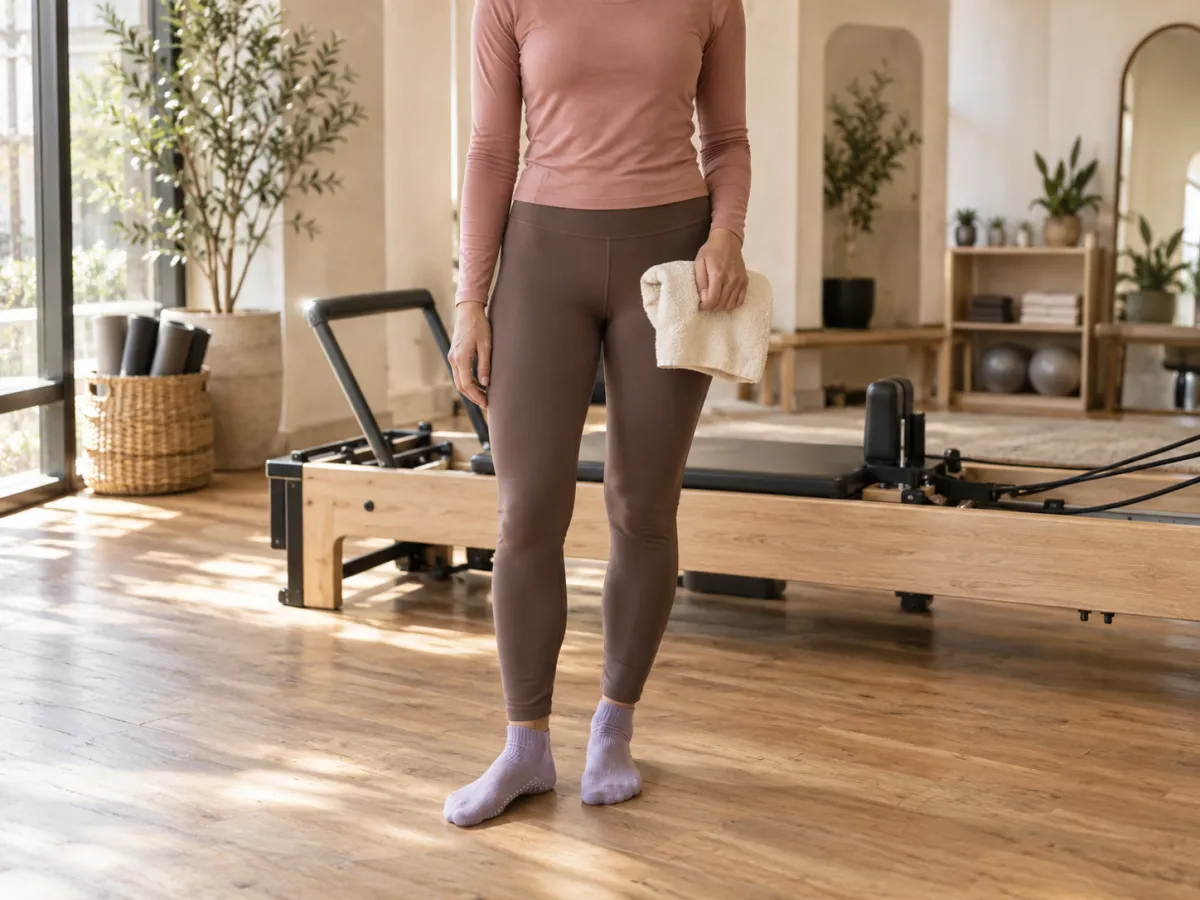
Selecting pilates leggings requires evaluating how knit recovery, seam architecture, and colorway dye density behave under deep hip flexion, supine spine articulation, and Reformer carriage glides. While standard high-compression running or weight-room tights prioritize rigid muscle containment for vertical impact, the best leggings for pilates balance second-skin tactile feedback with unrestricted pelvic mobility, flat seam construction that avoids pressing into the mat or shoulder blocks, and dependable opacity when the fabric stretches across the glutes and hamstrings.
According to the PilatesFits catalog listing, the Pilates Leggings collection organizes leggings and Pilates pants by fit, length, and color, with per-product size guides.
Whether you practice classical mat sequences at home or transition across Reformer, Cadillac, and Wunda Chair apparatus in a studio, matching your lower-body apparel to your movement mechanics prevents mid-session waistband adjustments and fabric sheerness. You can compare current studio silhouettes directly in the PilatesFits Pilates Leggings collection and pair them with fitted upper-body layers from the PilatesFits Pilates Tops collection.
Key Specifications to Compare When Shopping for Pilates Leggings
Evaluating pilates leggings by technical construction rather than generic activewear labels helps practitioners avoid three recurring studio frustrations: waistband roll-down during Seated Roll Back and Teaser prep, front-rise seam pinching in Frog and Short Spine, and unexpected sheerness under overhead studio lighting. Every pair of leggings operates as a tensioned knit system whose performance depends on yarn recovery, rise geometry, and dye saturation.
Four-Way Elastane Recovery vs Rigid Compression
In a Reformer or mat session, your hips move repeatedly from full extension in Swan and Swimming to deep flexion in Knee Stretches and Rolling Like a Ball. Fabrics with balanced four-way stretch allow the knit loops to expand both lengthwise and widthwise without pulling the rear waistband downward. Excessive linear compression—common in marathon running tights—resists thoracic and lumbar flexion, creating a tug-of-war at the sacrum every time you curl your tailbone off the carriage.
Front-Rise Seam Geometry and Gusset Architecture
When lying supine with legs in tabletop or straps on the feet, pelvic tilt changes how fabric sits across the pubic bone and lower abdomen. A gusseted crotch distributes diagonal tension into the inner-thigh panels instead of concentrating stress at a single four-way intersection. Practitioners who experience center-front pulling during wide-second leg circles or straddle stretches often prefer smooth front-panel constructions or curved yokes that sit flat beneath a neutral or imprinted spine.
Colorway Opacity and Size-Guide Alignment
Opacity under stretch is governed by both knit gauge and how much the garment is pre-stretched simply by putting it on. Community activewear reviewers consistently note that pale pastel shades—such as baby pink or soft lilac—can appear slightly more see-through at peak hip flexion than darkly dyed shades like black or espresso, because darker pigments absorb transmitted light between stretched knit loops. Checking each garment’s specific size guide before ordering ensures you do not size down for extra compression at the expense of over-stretching the elastane fibers across the hips.
Pilates Leggings vs Best Leggings For Pilates: Side-by-Side Comparison Matrix
Shoppers comparing general pilates leggings against the best leggings for pilates across Reformer, mat, and tower environments need a clear breakdown of how each silhouette and construction choice performs in motion. The comparison matrix below translates cut, length, and fabric behavior into studio-ready selection criteria.
| Specification Dimension | Tapered Ankle Pilates Leggings | 7/8 Studio Pilates Leggings | Foldover & Flared Pilates Pants | High-Compression Gym Tights | Studio Buying Takeaway |
|---|---|---|---|---|---|
| Waistband Interface | Double-layer contoured high rise that lies flat during supine imprinting | Mid-to-high smooth band engineered for core visibility in mirror checks | Adjustable foldover torso band for customizable rib-to-hip placement | Rigid elastic top-edge seam designed for vertical running impact | Choose contoured or foldover bands without bulky drawcords or back zippers |
| Reformer Carriage & Footbar Clearance | Snug ankle cuff stays clear of carriage wheels, springs, and footbar | Cropped above the malleolus for clean grip-sock alignment and strap work | Wide lower hem requires ankle awareness near carriage tracks and springs | Tight ankle cuff but stiff knee articulation during Short Box | Use tapered or 7/8 cuts for strap and footbar precision; keep flare hems clear of hardware |
| Supine & Prone Hardware Comfort | Flatlock or clean-finish seams prevent pressure ridges on mat and box | Minimal seam bulk behind the knees for Elephant and Kneeling Knee Stretch | Soft lounge-inspired drape ideal for gentle mat work and studio transit | Rear zippered pockets and reflective trim dig into the spine during roll-downs | Eliminate back pockets, metal sliders, and thick lumbar seams for mat and carriage work |
| Opacity Under Deep Hip Flexion | High coverage in dark shades; verify size guide for pastel colorways | Consistent tension across calf and thigh when matched to hip measurements | Relaxed lower leg reduces calf tension; hip opacity still depends on size and shade | High denier weight but prone to waistband drag when bending forward | Select dark shades like black or espresso for maximum opacity, or size accurately for pastels |
| Primary Studio Use Case | All-around Reformer, Cadillac, Wunda Chair, and classical mat sessions | Warm studios, petite inseams, and sessions pairing leggings with crew grip socks | Mat Pilates, pre/post-class layering, and upright standing balance series | Best reserved for treadmill, turf conditioning, or heavy barbell training | Prioritize purpose-built studio fits from the PilatesFits Pilates Leggings collection |
Step-by-Step Selection Checklist for Studio and Home Practitioners
Before finalizing your next pair in a pilates leggings guide or studio wardrobe audit, walk through this four-step biomechanical checklist to match the garment’s fit, length, and color to your training environment.
- Measure Natural Waist and Fullest Hip Against the Per-Product Size Guide: Because knit recovery and rise height vary between tapered ankle leggings, cropped cuts, and flared pants, never assume a single universal letter size or inseam length across every style. Measure your waist at the narrowest point above the iliac crest and your hips at the widest gluteal projection. If your measurements split across two sizes, favor the larger size to preserve knit density and prevent sheerness during deep squats and Pike on the Chair.
- Audit Your Primary Apparatus for Hem and Seam Clearance: For Reformer sessions heavy on Footwork, Long Stretch, and Feet in Straps, tapered full-length or 7/8 leggings keep excess fabric away from the spring well, headrest hinges, and rope pulleys. If you love the drape of flared Pilates pants, reserve them for mat flows, standing tower work, or verify that the hem clears the carriage stoppers when your feet are on the footbar.
- Match Colorway Selection to Studio Lighting and Exercise Depth: Bright daylight studios and overhead LEDs magnify fabric stretch across the posterior chain. When ordering pale pastel shades such as baby pink, pair the exact size-guide recommendation with seamless neutral base layers, or opt for saturated dark tones like black and espresso when your routine emphasizes deep-flexion sequences like Short Spine, Monkey, or Russian Splits.
- Coordinate Waistband Rise with Your Studio Top: A high-waisted legging performs best when paired with a cropped or hip-skimming layer from the PilatesFits Pilates Tops collection so your instructor can observe rib-to-pelvis alignment, anterior pelvic tilt, and lateral costal breathing without fabric bunching at the waist.
Scope Boundaries and Fit Limitations
While a structured pilates leggings comparison narrows down cut and construction, shoppers should keep two practical boundaries in mind:
- Cross-Category Search Overlap: Feature terms such as no-front-seam construction and squat-proof opacity apply across both dedicated Pilates apparel and general fitness leggings; the distinguishing factor for Pilates is supine seam comfort and zero hardware interference on padded equipment.
- Individual Size-Guide and Colorway Dependency: No legging silhouette guarantees universal opacity or a single uniform inseam across all cuts. Coverage and ankle placement always depend on consulting the individual product’s size guide and accounting for dye contrast between pale pastels and dark neutrals.
Frequently Asked Questions
What specifications matter most when comparing pilates leggings?
The most important specifications are four-way stretch recovery, flat hardware-free waistband construction, inseam cut relative to Reformer hardware, and colorway opacity. Shoppers selecting Pilates leggings or flared pants should check each product’s size guide and compare color opacity, as community reviewers note that pale pastel shades like baby pink can be slightly see-through under stretch whereas dark shades like black and espresso maintain fuller coverage.
How does pilates leggings compare to best leggings for pilates for regular Pilates sessions?
General pilates leggings encompass a broad range of tapered, cropped, and flared studio pants organized by fit, length, and color, whereas the best leggings for pilates specifically combine a roll-resistant high rise, smooth front and lumbar seams for supine mat or Reformer comfort, and verified size-guide alignment so the knit stays opaque through full-range hip flexion.
How do you choose squat-proof, no-front-seam Pilates leggings or flare pants that stay opaque during deep stretches?
Start by measuring your waist and hips against the individual product’s size guide so the elastane knit is not over-tensioned before you even bend your knees. Next, select a smooth front-rise construction with a gusseted panel to eliminate center-seam pulling duringFrog and straddle stretches, and choose saturated dark shades like black or espresso—or verify fit carefully in lighter pastels—to maintain reliable coverage during deep flexion.
Make it part of your practice
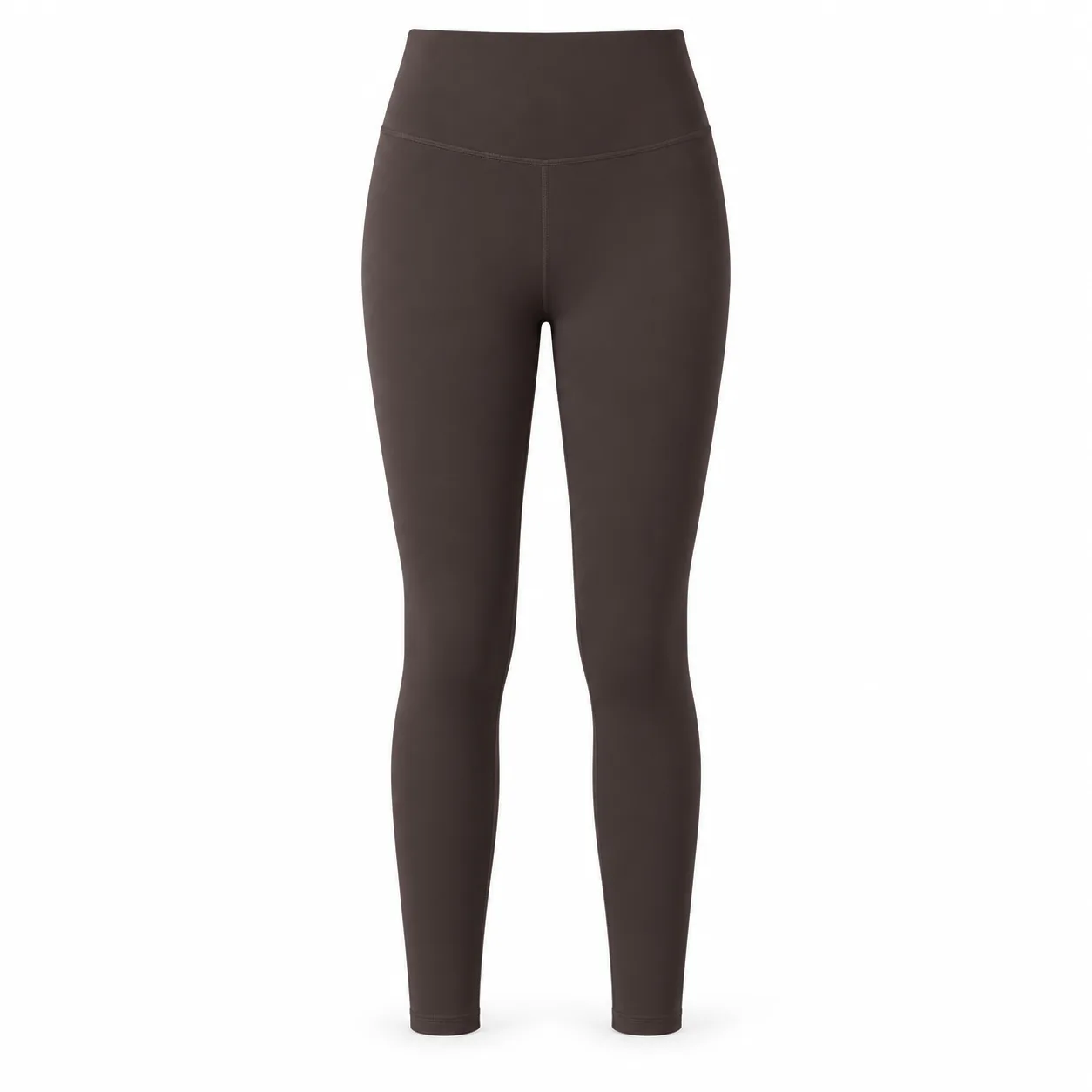
Explore the olive high-waist studio leggings and check its product details before choosing your studio essentials.
View this piece