


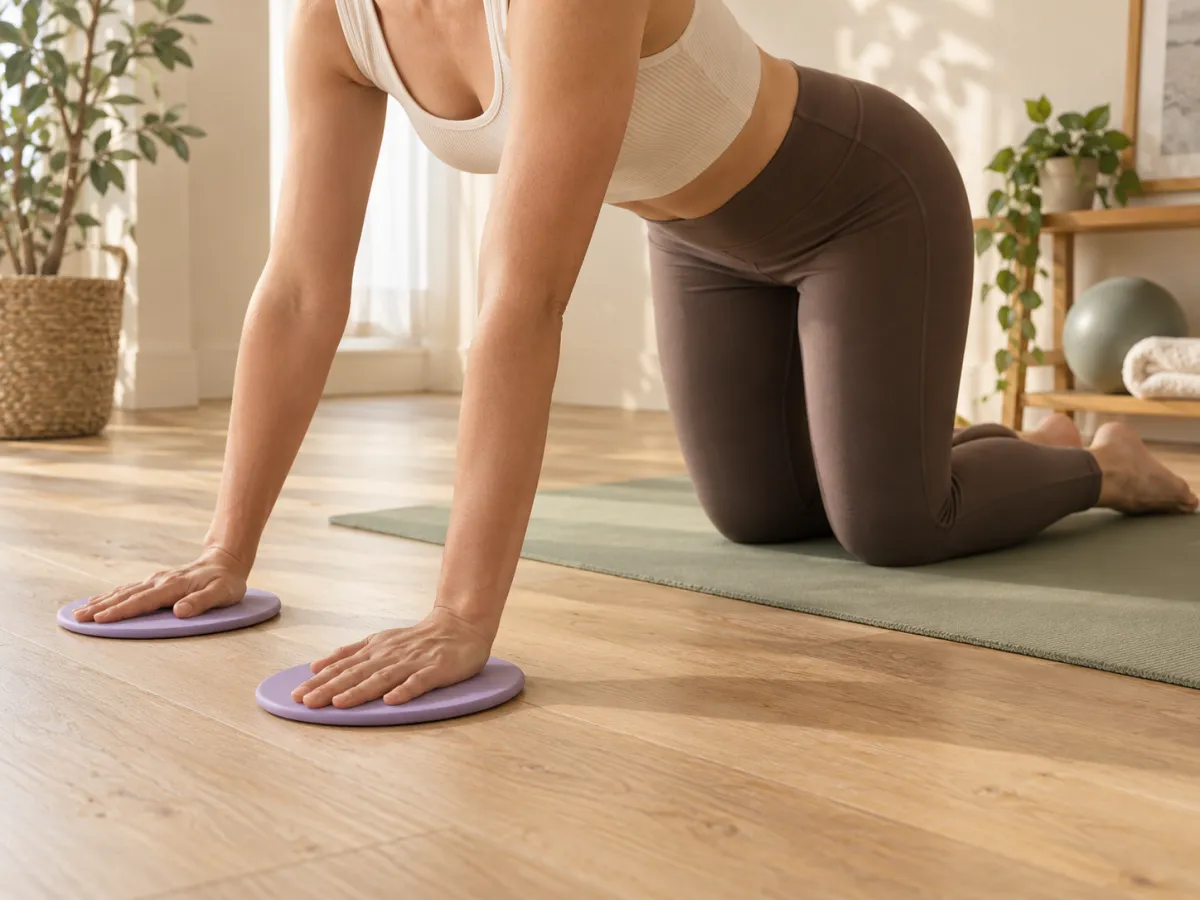
Knowing how to prevent floor scratches with exercise sliders protects both your home hardwood or studio flooring and the low-friction glide surfaces of your discs. Equally important is learning how to clean eva foam core sliders and fabric-backed or polymer sliding discs (always check the published materials and surface compatibility for any specific SKU at launch) so sweat, body oils, and floor grit never degrade your traction or mar your floors. By following a material-smart pilates sliders guide and applying preventive pilates sliders tips, you keep every lunge, pike, and hamstring curl smooth, quiet, and scratch-free.
According to the PilatesFits catalog listing, the Pilates Sliders collection features Pilates sliders and exercise sliding discs with surface compatibility and dimensions listed at launch.
When selecting discs from the Pilates Sliders collection, always verify the published floor surface compatibility and dimensions for each product at launch. Because floor sliders reduce surface friction to challenge eccentric control in the core and hamstrings, they rely on body weight unless paired with bands from the Pilates Resistance Bands collection to add external directional resistance.
What Degrades Pilates Sliders: Sweat, Heat, Detergents & UV Exposure
Whether you use general-purpose cushioned discs, fabric-faced gliders, or rigid carpet sliders, two distinct mechanical surfaces require care: the upper foot-or-hand traction face and the lower floor-contact glide face. Understanding what breaks down these materials helps you prevent floor scratches with exercise sliders while preserving predictable glide resistance.
| Degradation Factor or Environmental Stress | Impact on Upper Grip & Cushioning Layers | Impact on Lower Floor-Contact Glide Surface | Preventive Care & Floor Protection Rule |
|---|---|---|---|
| Trapped Abrasive Floor Grit (Sand, Pet Hair & Dust) | Grit pressed into textured top foam abrades skin, grip socks, and mat surfaces during transitions | Hard mineral particles trapped beneath a moving disc act like sandpaper under body weight, scratching hardwood or laminate | Sweep or microfiber-mop the workout lane and wipe the bottom of every slider before each session |
| Accumulated Sweat,Sebum & Studio Lotions | Body oils slicken closed-cell cushioning and soften adhesive bonds between layered disc components | Oily film transfers onto hardwood or tile, creating unpredictable skidding zones and sticky dust buildup | Wipe both faces after training with a mild, diluted pH-neutral soap solution on a damp microfiber cloth |
| Harsh Solvents, Bleach & Alcohol Sprays | Oxidizes closed-cell foam cells, causing surface cracking, stiffness, and flaking under metatarsal pressure | Strips protective low-friction finishes on polymer faces and stiffens soft fabric or felt floor pads | Avoid bleach, ammonia, acetone, and high-concentration alcohol wipes; use gentle water-based cleansers only |
| High Heat, Direct Sunlight & Radiator Storage | Accelerates thermal warping, foam compression set, and delamination of bonded top pads | Warps flat polymer bases into a dome or bowl shape, causing outer edges to dig into floors | Air-dry flat in a shaded, room-temperature space away from windows, car trunks, and heating vents |
| Stacked Weight & Edge Compression in Gym Bags | Leaves permanent dents in cushioned top layers that alter foot leveling during single-leg lunges | Bends or Frays perimeter fabric edges, creating uneven drag during bilateral pikes and curls | Store discs flat face-to-face or upright in a dedicated pouch without heavy dumbbells or kettlebells resting on top |
Step-by-Step Cleaning and Sanitization Protocol for Prevent Floor Scratches With Exercise Sliders
Routine post-session hygiene is the most reliable way to clean eva foam core sliders and general exercise sliding discs without compromising glue bonds or floor-safe finishes. Follow this five-step maintenance workflow after home or studio workouts:
- Step One: Dry Particulate Removal: Before introducing moisture, brush away loose dust, carpet lint, or studio grit from both sides of the disc using a dry microfiber towel. Removing dry grit first prevents grinding microscopic particles into the surface while wiping.
- Step Two: Mild Cleanser Application: Dampen—never soak—a clean soft cloth with lukewarm water and a small drop of mild dish soap or gentle castile wash. Avoid submerging multi-layer discs in a sink or bucket, as standing water can seep into perimeter seams and weaken internal adhesives.
- Step Three: Targeted Upper-Face Wipe: Gently wipe the top foot/hand contact surface in circular motions to lift sweat, foot oils, and grip-sock residue. This keeps the upper platform tack-free when performing the best pilates sliders for reformer simulations at home.
- Step Four: Floor-Contact Glide Inspection & Rinse Wipe: Use a separate clean, water-dampened cloth to wipe the bottom glide surface until all soap film is removed. Run your fingertips lightly across the bottom face to confirm no sticky residue or embedded pebble remains.
- Step Five: Flat Shade Air-Drying: Lay the discs flat on a dry towel in a ventilated room away from direct sun. Allow both sides to dry completely before stacking or packing them alongside items from the Pilates Resistance Bands collection.
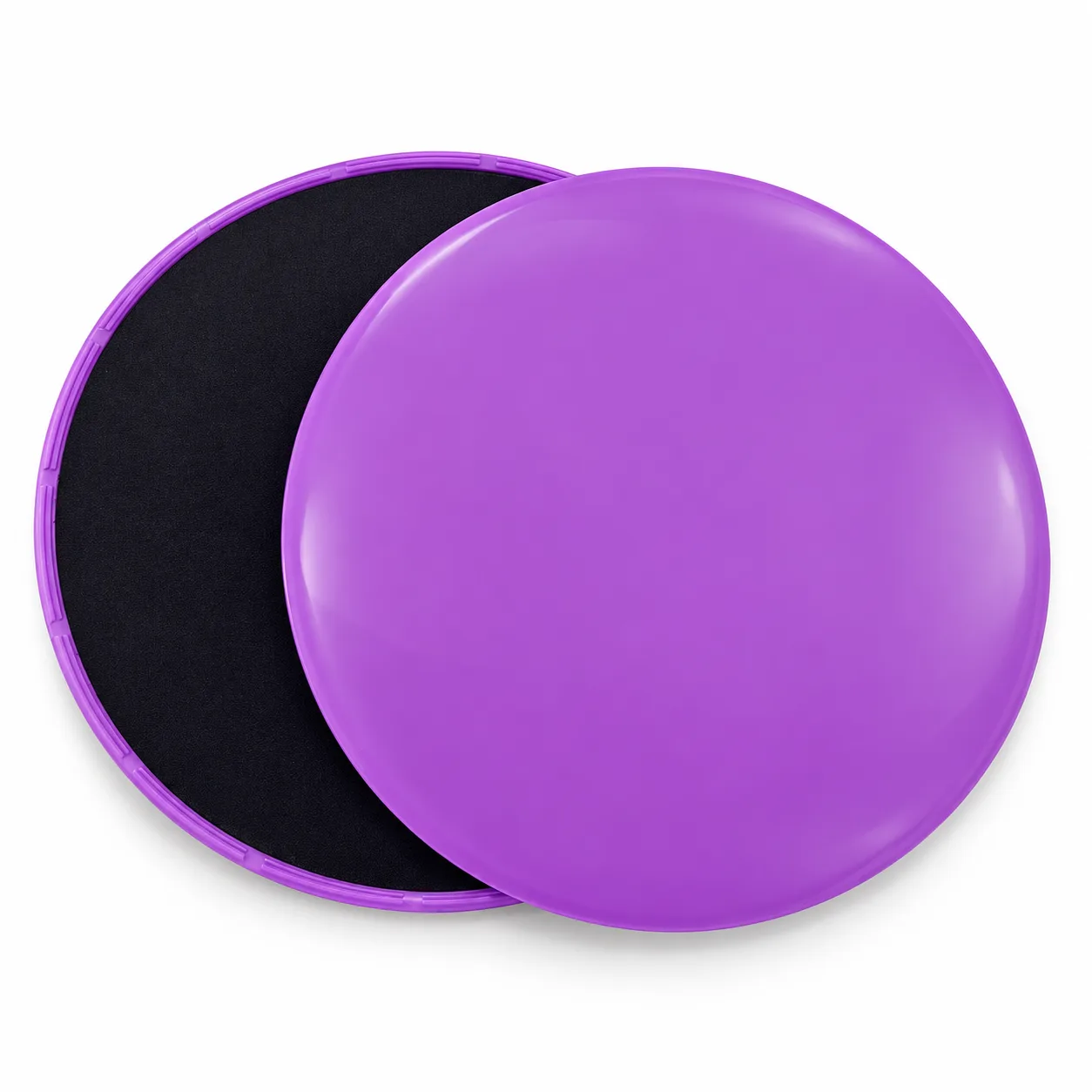
Storage, Inspection, and Replacement Signs for Clean Eva Foam Core Sliders
Even well-maintained equipment experiences gradual mechanical wear under repeated bodyweight loading. Use these inspection checkpoints to protect your flooring and joint alignment:
- Pre-Workout Fingertip Scratch Check: Before placing sliders on hardwood, tile, or Marley flooring, run your palm across the floor-contact side. If you feel burrs, gouges, or hardened debris that will not wipe away, do not use that disc on hard flooring.
- Foam Compression and Rebound Test: Press your thumb firmly into the cushioned upper surface of your sliders (once you have verified the construction of your specific discs from the Pilates Sliders collection). If the material remains permanently flattened, peels at the rim, or feels brittle, replace the pair so your foot remains evenly supported.
- Perimeter Seam and Flatness Audit: Set each slider on a flat tabletop and check whether the rim sits level. A warped disc tilts under load and concentrates pressure along a narrow edge, increasing floor scuffing risk and ankle instability.
Frequently Asked Questions
How can you use Pilates sliders and resistance bands at home to replicate Reformer and Megaformer exercises?
Pilates sliders and exercise sliding discs are selected by floor surface compatibility and dimensions and are rated by home practitioners as effective tools for core and hamstring exercises, especially when paired with resistance bands. Combining clean, smooth-gliding floor discs with the elastic pull of resistance bands recreates both the moving carriage instability and the directional resistance of Reformer and Megaformer workouts at home.
What is the safest way to handle prevent floor scratches with exercise sliders without damaging the material?
The safest way to prevent floor scratches is to verify per-product floor surface compatibility before use, orient the soft fabric or cushioned floor-safe side downward on hardwood or tile, sweep your workout lane free of grit, and wipe the sliders with a damp microfiber cloth and mild pH-neutral soap rather than harsh chemical solvents.
How often should you perform maintenance for clean eva foam core sliders?
Perform a quick dry microfiber wipe of both the floor-contact side and the workout floor before every session to remove abrasive dust, wipe the upper and lower surfaces with a lightly dampened mild-soap cloth after each sweaty workout, and let the discs air-dry flat at room temperature before storing.
Make it part of your practice
Explore the blue round exercise sliders and check its product details before choosing your studio essentials.
View this piece