


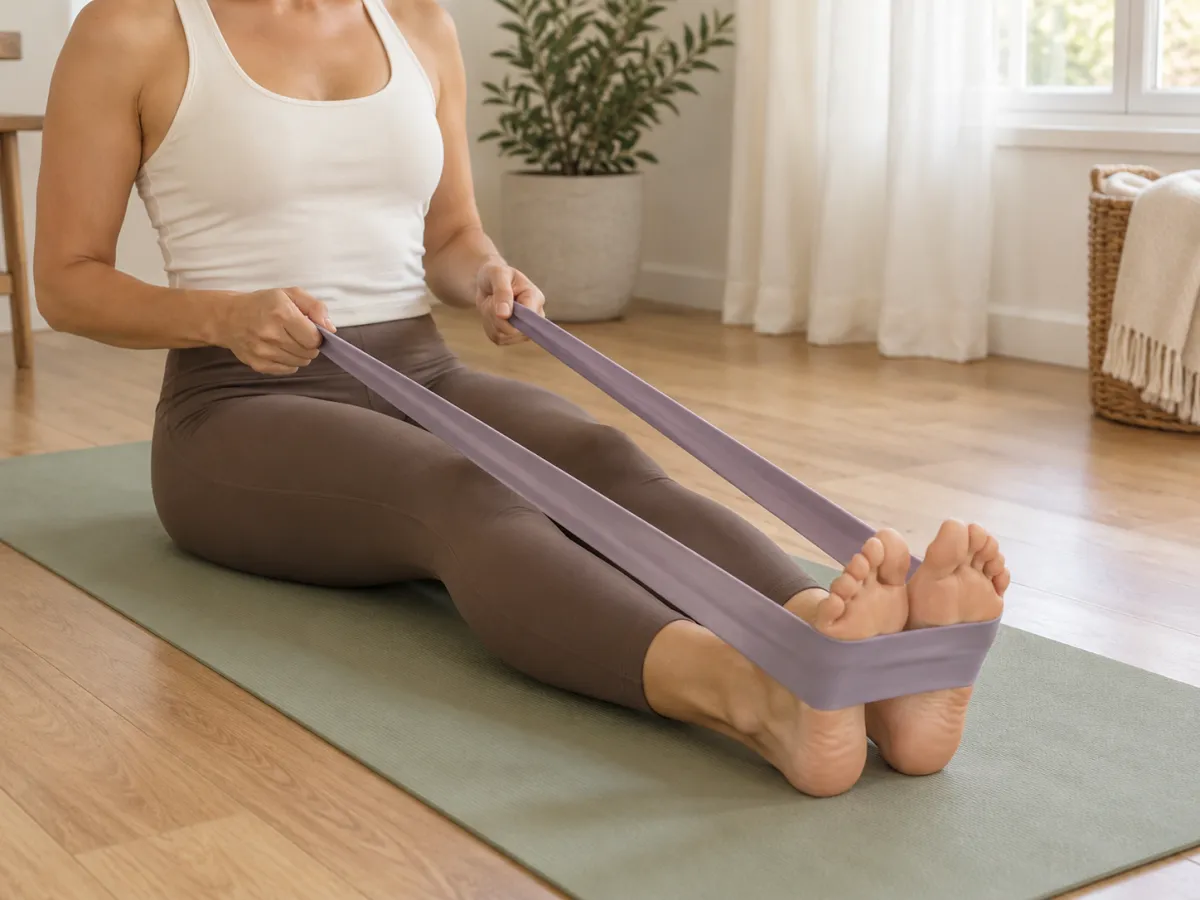
Knowing how to clean resistance bands and following a consistent maintenance routine to prevent latex resistance bands from snapping protects both your skin hygiene and your equipment’s elastic recoil across hundreds of mat and Reformer-inspired sessions. Because natural latex, latex-free thermoplastic elastomer (TPE), and woven fabric glute loops react differently to sweat salts, body oils, UV light, and laundry detergents, using a one-size-fits-all washing method can strip protective surface coatings or weaken elastic fibers—leading to brittle edges or sudden mid-exercise failure.
According to the PilatesFits catalog listing, the Pilates Resistance Bands collection includes portable loop and long-band formats organized by listed resistance level.
By matching your cleaning temperature, cleanser chemistry, and storage habits to each band material—and rotating across multiple listed resistance levels so no single band is over-stretched—you keep your home and studio kit safe and responsive. Browse portable loop and long-band options in the PilatesFits Pilates Resistance Bands collection and pair them with low-maintenance floor props from the PilatesFits Pilates Sliders collection.
What Degrades Pilates Resistance Bands: Sweat, Heat, Detergents & UV Exposure
Before learning how to clean resistance bands, it helps to understand the four chemical and mechanical stressors that break down elastic polymers and woven knits over time.
Sweat Salts, Sebum, and Sunscreens on Elastomer Surfaces
During supine Footwork, Hundred pumps, and above-knee bridge pulses, bands absorb sweat, skin oils, and lotion residues. Left uncleaned, fatty acids and oils slowly plasticize natural rubber latex, turning the surface tacky before eventually leaving it dry and prone to micro-cracking.
UV Oxidation, Ozone, and Thermal Fatigue
Leaving bands on a sunny windowsill, inside a hot car trunk, or draped over a radiator accelerates photo-oxidation in natural latex and thermal creep in TPE. Direct ultraviolet light breaks down polymer cross-links, creating chalky discoloration and brittle fold lines that are the leading cause of sudden tears when you stretch a band under load.
Harsh Surfactants, Bleach, and High-Spin Agitation
Bleach, alcohol-heavy disinfectant sprays, and boiling water strip the natural integrity of latex and TPE ribbons. For woven fabric mini loops, hot dryer cycles melt the internal elastic core threads and warp the non-slip silicone grip strips woven into the inner cuff.
| Band Material & Format | Primary Degradation Triggers | Safe Cleaning Method (How To Clean Resistance Bands) | Drying & Conditioning Protocol | Key Rule to Prevent Snapping |
|---|---|---|---|---|
| Natural Latex Long Bands & Mini Loops | UV sunlight, body oils, alcohol wipes, and sharp fingernails or shoe tread | Lukewarm water wipe-down with a drop of mild, oil-free dish or castile soap | Pat dry with a lint-free towel, air-dry flat in shade, and dust lightly with cornstarch if tacky | Inspect edges for micro-nicks before foot-arch wrapping; never over-stretch past intended range |
| Latex-Free TPE Long Bands & Mini Loops | High heat, radiator storage, and abrasive floor grit | Damp microfiber cloth with lukewarm water and mild soap; rinse residue completely | Lay flat away from direct heat; no powder needed due to smooth closed-cell surface | Step up to the next listed resistance level rather than over-pulling a light band |
| Woven Fabric Mini Loop Bands | Hot water, fabric softener, bleach, and tumble dryer heat | Hand wash in cool water with mild detergent (or cold delicate cycle in a mesh laundry bag) | Lay flat on a towel to air-dry; never wring tightly or place in a heated dryer | Keep inner grip strips clean of lotion so the cuff stays anchored without rolling |
| Complementary Floor Sliders (Dual-Sided Discs) | Floor grit trapped in foam top or scratched plastic base | Wipe EVA foam top with damp soapy cloth; wipe smooth plastic bottom dry | Air-dry completely before stacking in gym bag | Sweep floor before use so grit does not abrade bands or slider bases |
Step-by-Step Cleaning and Sanitization Protocol for How To Clean Resistance Bands
Follow this material-specific routine whenever you practice how to clean resistance bands after home or studio sessions:
- Routine Post-Session Wipe (Latex & TPE Bands): Fill a small basin with lukewarm water (never hot) and add two drops of mild, non-moisturizing liquid soap. Submerge a soft microfiber cloth, wring it out, and wipe both sides of your long bands and mini loops from end to end. Follow immediately with a clean water-dampened cloth to remove all soap film.
- Deep Hand-Wash for Woven Fabric Loops: Submerge woven fabric glute loops in cool water with a small amount of mild detergent. Gently agitate by hand for sixty seconds to lift sweat from the textile weave, rinse thoroughly in cool water until no suds remain, and press flat between two dry towels to remove excess moisture.
- Flat Shade Drying & Anti-Stick Care: Lay all bands completely flat on a dry towel in a cool, shaded room with normal airflow—never hang wet long bands over a sharp hook where gravity can deform the crease. Once natural latex bands are 100% dry, a light dusting of pure cornstarch or unscented talc prevents folded layers from sticking together in your gym bag.
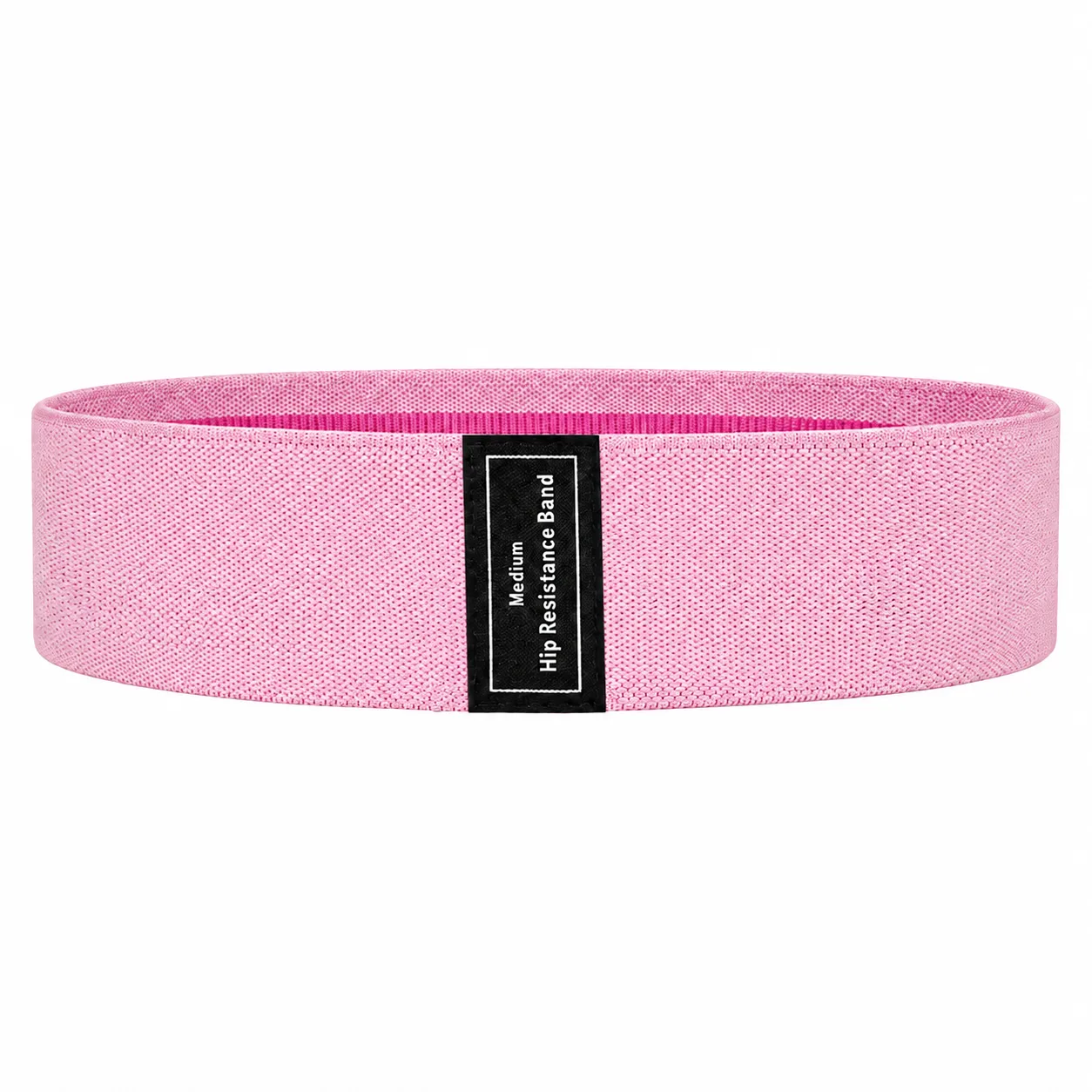
Storage, Inspection, and Replacement Signs for Prevent Latex Resistance Bands From Snapping
To prevent latex resistance bands from snapping during high-tension exercises like Supine Leg Circles or Seated Rowing, combine proper storage with a five-second pre-workout inspection using gear from the PilatesFits Pilates Resistance Bands collection:
- Roll—Don’t Knot—Between Sessions: Store bands loosely rolled or laid flat inside a breathable pouch inside a cool closet drawer, away from windows, heaters, and sharp metal clips.
- Run the 5-Second Edge & Thumb-Stretch Check: Before anchoring a band under your feet, pull a six-inch section gently between your thumbs in good light. Look for tiny edge nicks, white stress lines, thinning patches, or dry cracking along the borders—and retire any band showing edge damage immediately.
- Avoid Abrasive Footwear and Over-Stretching: Practice barefoot or in smooth grip socks rather than outdoor running shoes with sharp tread, and never stretch a band beyond two to two-and-a-half times its resting length. Instead, rotate across multiple listed resistance levels—and pair your bands with low-friction discs from the PilatesFits Pilates Sliders collection—so heavier movements are loaded by a thicker band rather than an over-strained light band.
- Scope and Material Boundaries: Remember that woven fabric glute loops do not share the stretch elongation ratio of long flat latex or TPE bands, not all bands are latex-free unless stated on the specific SKU, community advice reflects attributed user experience, and elastic bands require stepping up to higher tension ratings over time to maintain progressive overload.
Frequently Asked Questions
What is the safest way to handle how to clean resistance bands without damaging the material?
The safest way to handle how to clean resistance bands is to wipe flat latex and latex-free TPE bands with a lukewarm cloth and a drop of mild, oil-free soap, rinse with clean water, and air-dry flat away from sunlight or heat. For woven fabric mini loops, hand wash in cool water with mild detergent and lay flat to dry—never use bleach, alcohol sprays, fabric softeners, or heated tumble dryers.
How often should you perform maintenance for prevent latex resistance bands from snapping?
To prevent latex resistance bands from snapping, perform a quick visual edge inspection before every single Pilates session, wipe away sweat and skin oils after every two to three workouts, and apply a light dusting of cornstarch to natural latex bands whenever the surface feels slightly tacky. Stepping up to a higher listed resistance level instead of over-stretching a thin band also prevents premature elastomer fatigue.
Why do home Pilates practitioners combine mini bands and long loop resistance bands across multiple tension levels?
Pilates resistance bands are selected across loop and long-band formats by listed resistance level, because combining mini bands and a challenging long loop band across multiple tension levels allows progressive overload as strength improves. Distributing workload across dedicated light, medium, and heavy loop and long bands also reduces wear on any single band, extending the lifespan of your entire kit.
Make it part of your practice
Explore the purple long-loop resistance band and check its product details before choosing your studio essentials.
View this piece