


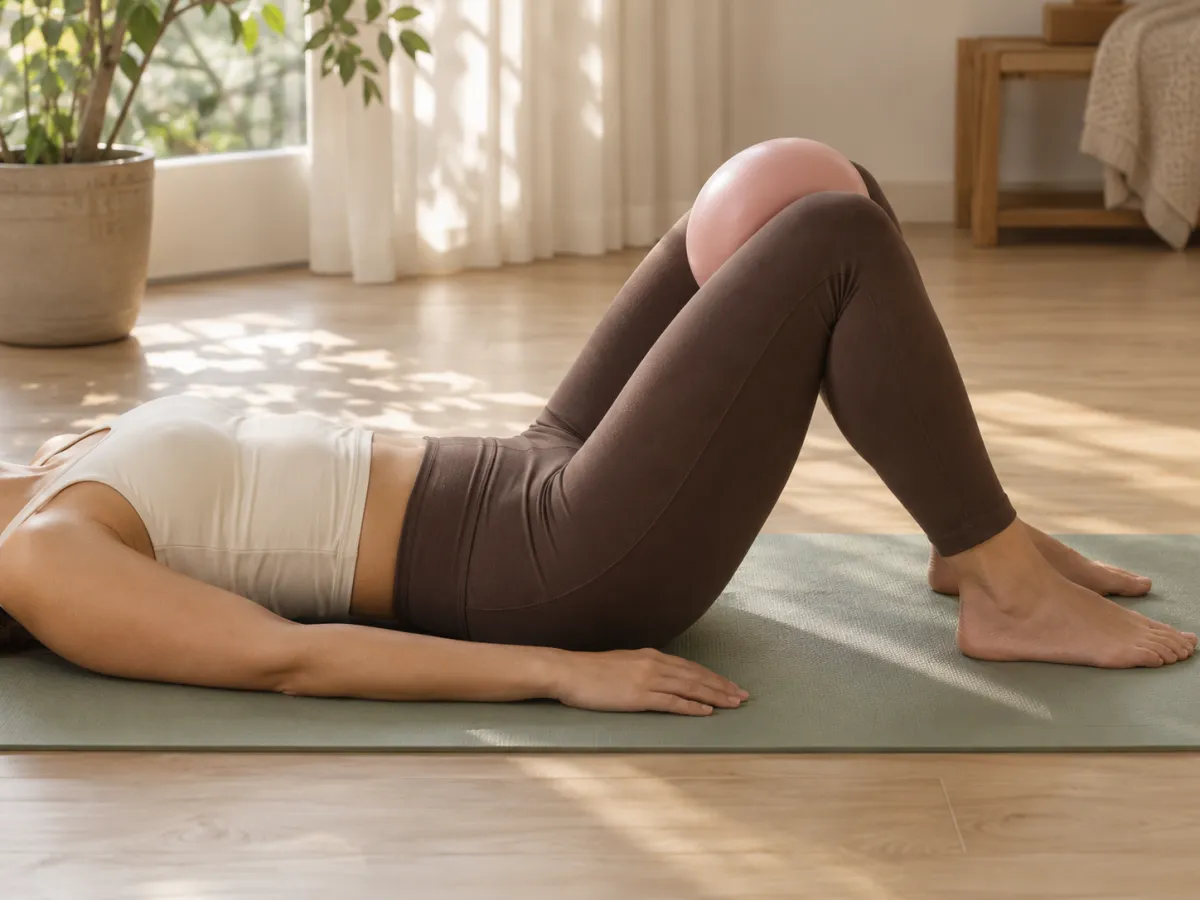
Selecting the right mini pilates ball determines whether your mat and Reformer sessions deliver targeted deep-core and adductor engagement or leave you fighting a slippery, collapsing prop. While many studio setups treat every small inflatable ball as interchangeable, subtle differences in shell tackiness, wall compliance, diameter geometry, and valve retention directly change how your pelvis, lumbar spine, and inner thighs respond under load. Understanding how a standard 9 inch pilates ball behaves compared to undersized kit balls helps you match your prop to your anatomy and apparatus.
According to the PilatesFits catalog listing, the Pilates Balls collection features small Pilates exercise balls selected by size and inflation level for studio or home routines.
Key Specifications to Compare When Shopping for a Mini Pilates Ball
When evaluating a mini pilates ball for daily mat work or Reformer carriage integration, four structural variables govern how the prop performs during isometric squeezes and spinal articulation:
- Shell Compliance and Elasticity: A high-quality cellular vinyl shell yields smoothly under inward adductor pressure without bottoming out abruptly. If the wall is overly rigid, squeezing the ball recruits superficial hip flexors and tensor fasciae latae instead of drawing the pelvic floor and deep transverse abdominis inward.
- Surface Micro-Texture: Non-slip matte or lightly frosted finishes maintain grip against bare skin, leggings, and vinyl Reformer upholstery. Glossy, toy-grade shells slide upward when wedged between the knees during supine bridging or Reformer footwork.
- Diameter Geometry: The classic 9 inch pilates ball profile bridges the natural neutral hip-width distance between the medial femoral condyles for most adult practitioners. Undersized kit balls force the knees into excessive internal rotation or knock-kneed valgus just to hold the prop in place, whereas oversized balls push the femurs wider than the hip sockets.
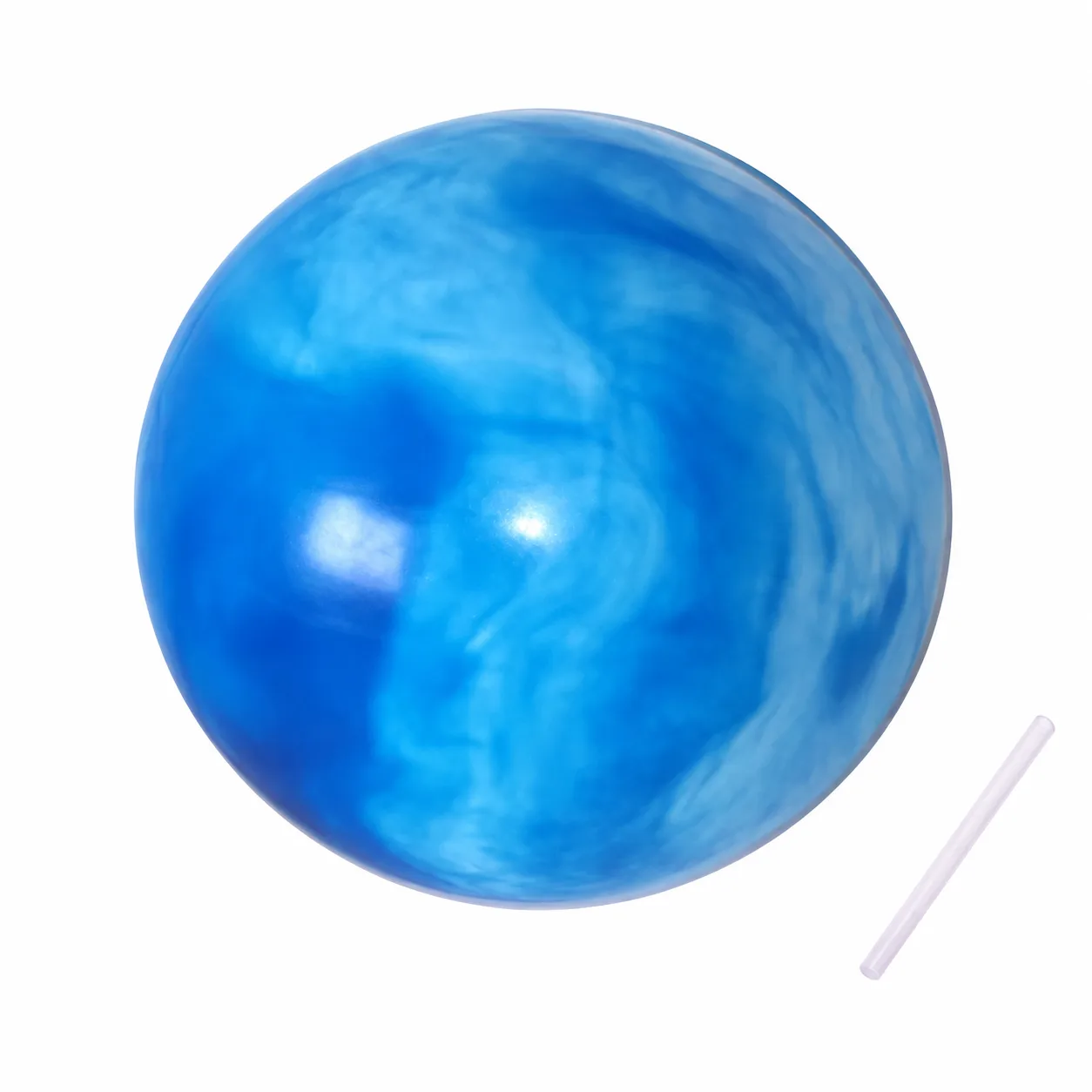
- Plug-and-Valve Air Retention: A flush-seated plug valve lets you fine-tune internal air pressure via an inflation straw without creating a hard plastic protrusion that digs into your sacrum or mid-back during supported extension.
Mini Pilates Ball vs 9 Inch Pilates Ball: Side-by-Side Comparison Matrix
Use this side-by-side specification matrix to compare how different small Pilates ball profiles and inflation setups behave across studio and home environments:
| Evaluation Criterion | Standard 9 Inch Pilates Ball (Soft Inflation) | Standard 9 Inch Pilates Ball (Firm Inflation) | Undersized Kit Mini Ball | Oversized Mini Stability Profile | Full-Size Studio Stability Ball |
|---|---|---|---|---|---|
| Primary Biomechanical Role | Supine sacrum support, thoracic extension, and forgiving inner-thigh activation | Crisp isometric adductor feedback and unstable plank challenges | Light neuromuscular cueing for narrow-stance work | Wide-stance adductor accommodation or taller frame support | Full-body sitting, prone swan draping, and dynamic balance |
| Adductor & Pelvic Line Alignment | Tracks neutral hip-to-knee-to-ankle alignment when compressed slightly | Maintains neutral width with minimal inward travel | Pulls knees medially inside hip width if compressed deeply | Biases femurs slightly wider than neutral hip sockets | Too large for between-the-knees Reformer footwork |
| Spinal Feedback Under Load | Cradles spinous processes without forcing lumbar hyperextension | Creates a distinct fulcrum that demands active rib-to-hip connection | Offers minimal surface contact area under the pelvis | Elevates the pelvis higher during supported inversions | Replaces the mat surface rather than acting as a targeted wedge |
| Reformer Carriage Compatibility | Fits cleanly between knees or ankles above the footbar and inside shoulder blocks | Stays secure between ankles during long-spine or frog variations | Prone to slipping out during dynamic carriage return | Can crowd the headrest or shoulder blocks in compact frames | Used alongside the apparatus rather than on the moving carriage |
| Resistance Progression Limit | Focuses on neuromuscular activation rather than heavy external overload | Increases tactile resistance but still prioritizes motor control over hypertrophy | Primarily proprioceptive cueing with negligible compressive load | Moderate activation with reduced range of inward squeeze | Whole-body stability challenge rather than localized adductor load |
Step-by-Step Selection Checklist for Studio and Home Practitioners
Follow this practical checklist before adding a ball to your PilatesFits Pilates Balls collection setup:
- Test Your Neutral Knee Spacing: Lie supine in hook-lying position with your feet hip-distance apart and aligned with your sit bones. Measure the space between your inner knees. Your mini pilates ball should fill that gap comfortably when inflated to a soft, yielding squish so your femurs stay parallel during bridges and pelvic curls.
- Match Inflation Level to the Exercise Block: Keep the ball partially deflated (yielding easily to a gentle thumb press) when placing it beneath the sacrum for toe taps, dead bugs, or thoracic upper-back extension. Add air for a firmer rebound when holding the ball between the ankles during hundred prep or Reformer footwork.
- Separate Activation Props from Progressive Overload Tools: Community practitioners consistently note that undersized mini balls serve muscle activation and alignment cueing rather than heavy progressive resistance. When your goal shifts from deep-core neuromuscular timing to stronger adductor compression, pair your ball sessions with a PilatesFits Pilates Ring so you have both yielding unstable feedback and structured spring-like tension in your kit.
- Check Surface Grip Against Your Mat and Apparel: Press the inflated ball against your studio mat at an angle under light bodyweight. A reliable shell should deform in place without skittering out from beneath your mid-back or heels.
Frequently Asked Questions
How does a 9-inch mini Pilates ball work for core and inner-thigh activation compared to undersized kit balls?
Small Pilates exercise balls are selected by size and inflation level for studio or home routines; practitioners note that undersized kit balls mainly provide muscle activation rather than heavy progressive resistance. A properly proportioned 9 inch pilates ball keeps the femurs aligned with the hip sockets while delivering steady tactile feedback to the adductors and deep abdominal wall.
What specifications matter most when comparing a mini pilates ball for Reformer use?
Look for a matte, non-slip surface texture, a flush plug valve that does not catch on carriage upholstery, and an adjustable inflation profile. On the Reformer, the ball must stay secure between the knees or ankles during spring-loaded carriage excursions without requiring you to clench your hip flexors.
How does a mini pilates ball compare to a 9 inch pilates ball for regular Pilates sessions?
In studio terminology, a 9 inch pilates ball is the standard benchmark within the mini pilates ball category because its diameter matches adult neutral hip width when slightly under-inflated. Smaller generic kit balls can still cue midline awareness, but they require narrower knee positioning and offer less surface contact for supported spinal work.
Make it part of your practice
Explore the pink fine-texture pilates ball and check its product details before choosing your studio essentials.
View this piece