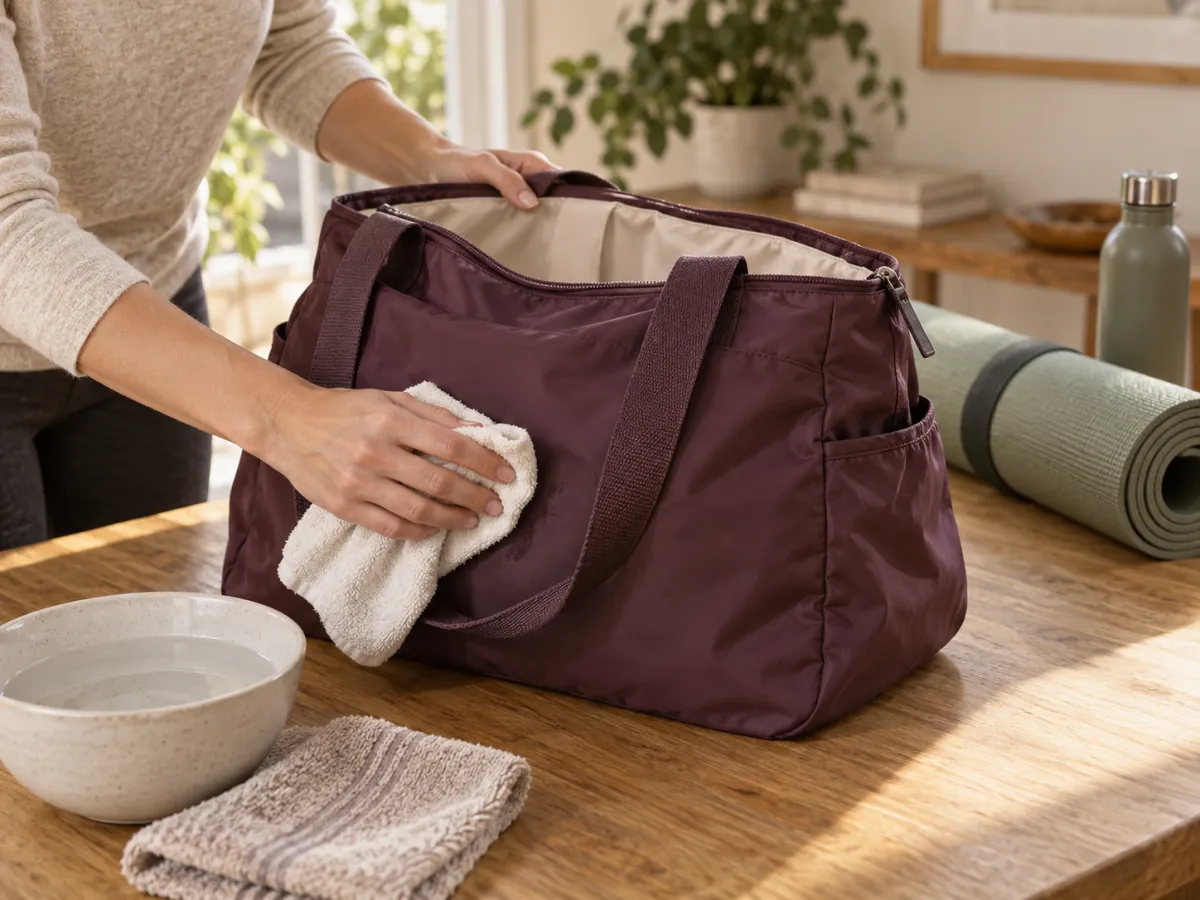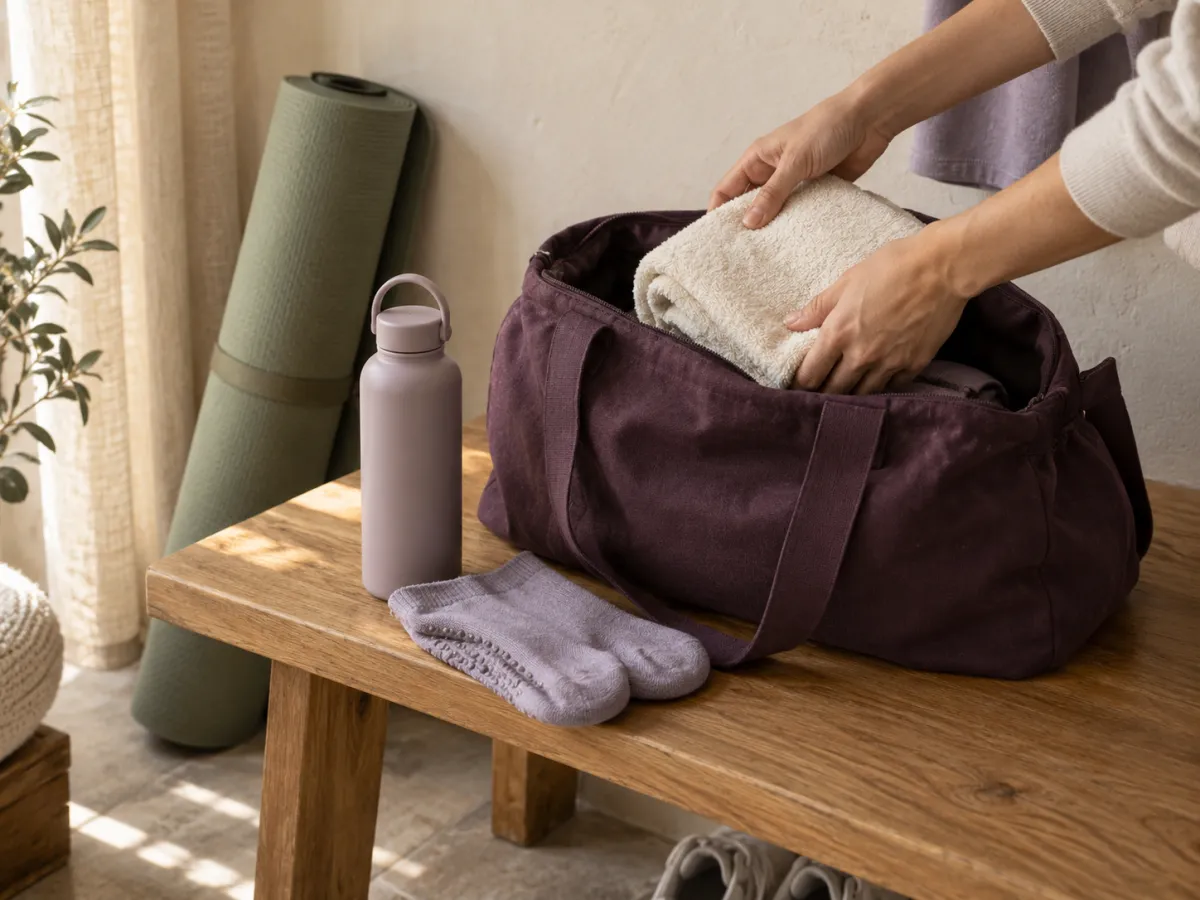
Commuting between home, work, and a Reformer or mat studio requires a carry system that keeps clean studio apparel separated from damp post-class layers and weighted small props. Choosing between a structured multi-compartment pilates bag and an open-top or zip-top pilates tote bag comes down to how you balance shoulder-strap ergonomics, cubby footprint, and internal pocket architecture. By matching bag construction to your actual class loadout—whether you carry only grip socks and a reformer towel or add ankle weights, a mini ball, and a magic circle—you prevent strap digging, crushed props, and locker-room clutter.
According to the PilatesFits catalog listing, the Pilates Bags collection offers totes and studio bags designed to carry a Pilates outfit and small studio essentials.
Key Specifications to Compare When Shopping for a Pilates Bag
Evaluating studio carry bags by aesthetic silhouette alone often leads to overloaded straps or sagging base panels once heavy accessories are packed inside. A purpose-built pilates bag or pilates tote bag should be judged across four structural specifications that directly affect daily studio usability:
- Base Gusset Width and Cubby Footprint: Most studio locker cubbies favor vertical or medium-width footprints over sprawling weekender duffels. A reinforced, flat-standing base gusset keeps the bag upright when you reach for grip socks or hair ties before class, preventing water bottles from tipping over onto clean knitwear.
- Strap Drop Geometry and Load Distribution: Wide webbing or padded shoulder straps with an ergonomic drop length allow the tote to clear winter coats and sit flush against the ribcage without slipping off one shoulder. When carrying dense accessories like wrist or ankle weights, narrow unpadded cords concentrate downward shear across the upper trapezius.
- Internal Zoning for Damp vs Dry Essentials: After a high-repetition Reformer session, a damp carriage towel and used grip socks need breathable or wipeable separation from street clothes and electronics. Look for interior slip pockets, zip dividers, or washable liner fabrics rather than a single unlined canvas cavity.
- External Prop and Mat Attachment Tolerance: If you bring your own mat or a Pilates ring, verify how external pass-through straps or wide top openings secure bulky items. Never assume a fixed exterior loop fits an extra-thick mat roll unless the strap circumference is adjustable.
| Specification & Performance Criterion | Open / Zip Pilates Tote Bag | Structured Multi-Pocket Pilates Bag | Daily Studio Impact | Fit & Verification Check |
|---|---|---|---|---|
| Primary Silhouette & Access | Wide top opening with vertical or trapezoid body | Gusseted studio bag with divided main chamber | Tote offers instant top-down reach; structured bag prevents item shifting | Check whether top closure fully zips or snaps for transit security |
| Typical Studio Loadout Capacity | Pilates outfit, grip socks, reformer towel, water bottle | Outfit, towel, grip socks, plus ankle weights or deflated mini ball | Matches light commuters vs prop-focused practitioners | Test how heavy accessories sit at the bottom panel without sagging |
| Shoulder & Postural Ergonomics | Dual shoulder handles for quick grab-and-go | Dual handles plus optional crossbody load stabilization | Crossbody option reduces unilateral shoulder elevation on long walks | Confirm strap width distributes weight comfortably over bare shoulders or jackets |
| Studio Cubby Compatibility | Compresses easily into narrow vertical studio cubbies | Holds rigid footprint on bench or larger locker shelf | Prevents jamming oversized bags into shared studio storage bays | Compare base width and height against your studio’s cubby dimensions |
| Liner & Moisture Management | Lightweight woven cotton, canvas, or nylon interior | Wipeable synthetic lining with dedicated small-item pockets | Separates damp post-class towels from clean apparel and keys | Inspect specific SKU details for pocket layout and care instructions |
To compare silhouettes that match your daily studio routine, explore the PilatesFits Pilates Bags collection for totes and studio bags sized for outfits and small essentials, and pair your carry setup with a dedicated PilatesFits reformer towel for hygienic carriage grip.
Pilates Bag vs Pilates Tote Bag: Side-by-Side Comparison in Studio Practice
While searchers often use pilates bag and pilates tote bag interchangeably, the two styles serve distinct commuting patterns. A classic pilates tote bag prioritizes effortless top access and a slim profile that tucks neatly beneath a Reformer frame or into a compact entryway cubby. Studio-goers who attend apparatus classes where the studio supplies rings, balls, and blocks typically prefer a tote because their personal kit consists of a fresh outfit, grip socks, a folded reformer towel, a water bottle, and small personal valuables.
By contrast, a structured pilates bag with fuller gussets and internal dividers suits practitioners who commute directly from the office or bring personal small props—such as ankle weights, resistance loops, or a mini stability ball—to mat and hybrid classes. When heavier items are dropped into an unstructured tote, they sink to the center and pull the top edges inward; a structured studio bag distributes that mass across a wider floor panel so your water bottle stays vertical and your folded apparel remains uncreased.
Step-by-Step Selection Checklist for Studio and Home Practitioners
Before selecting a bag SKU, walk through this four-step audit to match the bag’s physical construction to your training schedule:
- Inventory Your Core Class Essentials: Lay out everything you bring to a standard session—your Pilates outfit, grip socks, reformer towel, hydration bottle, and any personal props like ankle weights or bands—so you evaluate volume realistically rather than guessing.
- Audit Your Commute Mode and Carry Duration: If you walk several blocks or take public transit, prioritize wide shoulder straps that stay anchored without requiring you to hike your shoulder up toward your ear. For car-to-studio commutes, open-top or magnetic-snap totes offer faster loading.
- Check Pocket Separation for Small Valuables: Studio classes require removing rings, watches, and loose jewelry that can catch on Reformer springs or leather straps. Ensure your bag includes at least one secure interior pocket so small valuables never disappear beneath a towel.
- Verify SKU-Specific Features Before Assuming Extras: Because pocket layouts, zipper styles, and external strap geometry vary by model, check the individual product listing rather than assuming built-in shoe tunnels or waterproof zippers are present on every tote.
Frequently Asked Questions
What essentials should you pack in a Pilates bag for studio classes, and how do practitioners carry grip socks, towels, and props?
A Pilates tote or studio bag carries your Pilates outfit and small essentials, with studio-goers typically packing grip socks, a reformer towel, and small props like ankle weights, a Pilates ring, or a mini ball. Keeping grip socks and small accessories in dedicated interior pockets prevents them from getting tangled or buried under a folded towel and change of clothes.
What specifications matter most when comparing a pilates bag?
Focus on base panel stability, shoulder strap width and drop length, interior pocket organization for small valuables, and wipeable or washable fabric construction. These specifications determine whether the bag stands upright in a studio cubby and carries dense items like water bottles and ankle weights comfortably.
How does a pilates bag compare to a pilates tote bag for regular Pilates sessions?
A pilates tote bag offers a streamlined, easy-access vertical silhouette ideal for carrying an outfit, grip socks, and a reformer towel to apparatus classes. A broader pilates bag provides extra gusset volume and compartmentalization when you commute from work or carry additional personal props such as ankle weights, resistance bands, or a mini ball.
Make it part of your practice
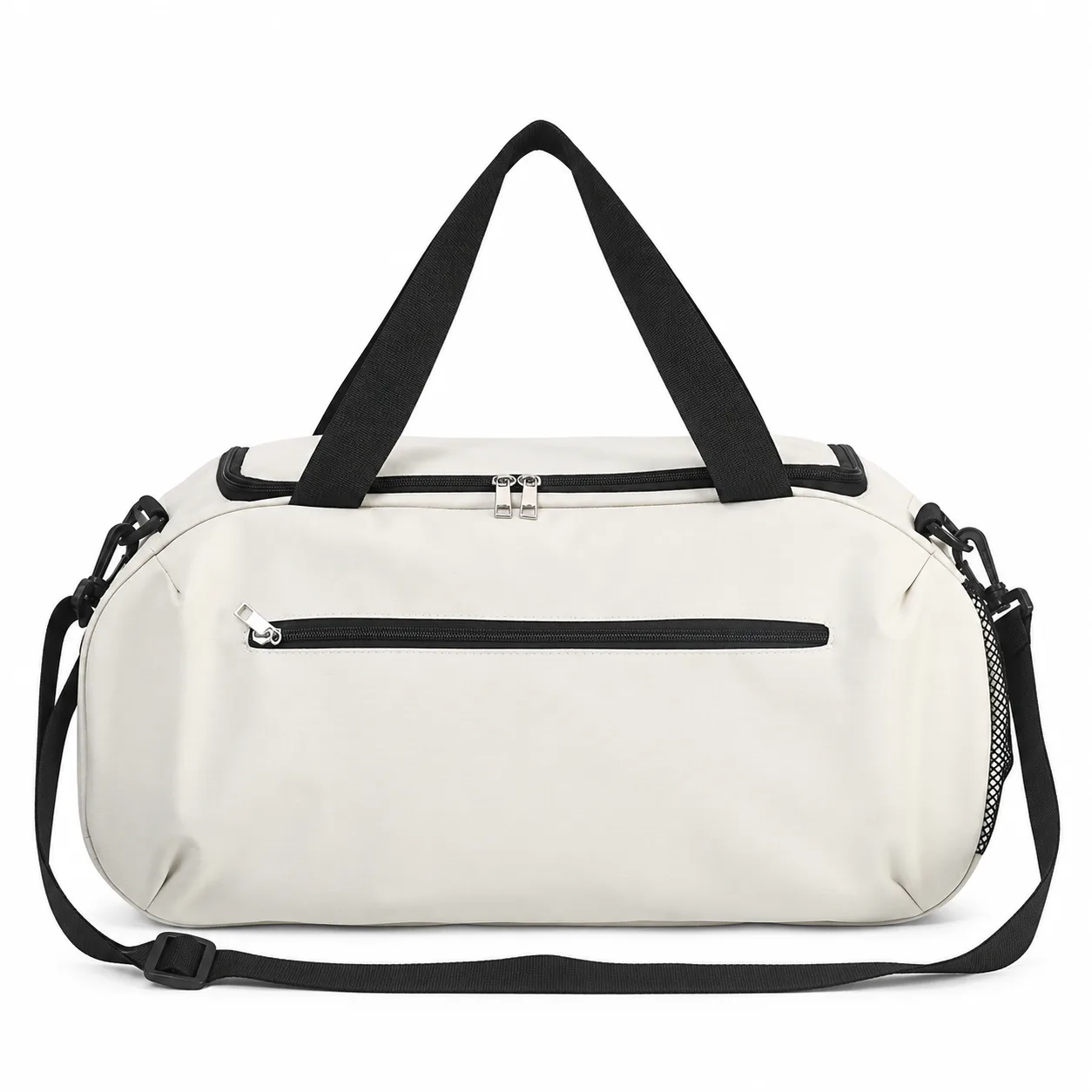
Explore the ivory everyday studio tote and check its product details before choosing your studio essentials.
View this piece