


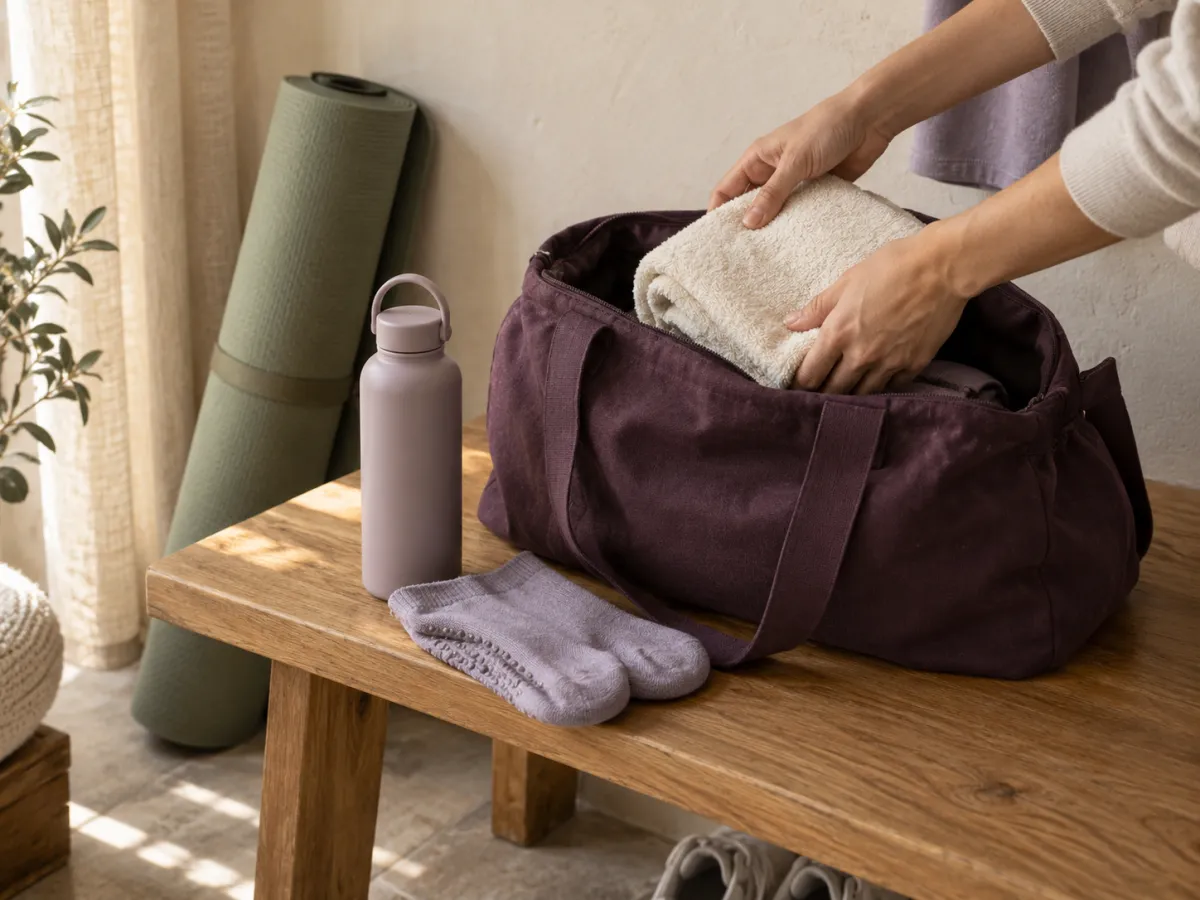
Knowing what to bring to pilates class is about more than locker-room convenience—each item in your studio bag directly affects closed-chain foot traction, carriage surface friction, and joint tracking on the Reformer or mat. A thoughtfully packed kit of pilates class essentials—centered on a form-fitting studio outfit, silicone-tread grip socks, a non-bunching reformer towel, and compact props like ankle weights, a mini ball, or a Pilates ring—prevents the micro-slips and postural compensations that pull your spine out of neutral. By organizing these essentials inside a dedicated Pilates studio bag, you step onto the carriage with everything required to maintain clean alignment from warm-up footwork to final planks.
According to the PilatesFits catalog listing, the Pilates Bags collection offers totes and studio bags designed to carry a Pilates outfit and small studio essentials.
The Biomechanics Behind What To Bring To Pilates Class in Mat and Reformer Movements
Every piece of gear you pack for studio sessions interacts with force transfer between your body and the apparatus. When practitioners ask what to bring to pilates class, experienced instructors evaluate each essential by its mechanical role during movement:
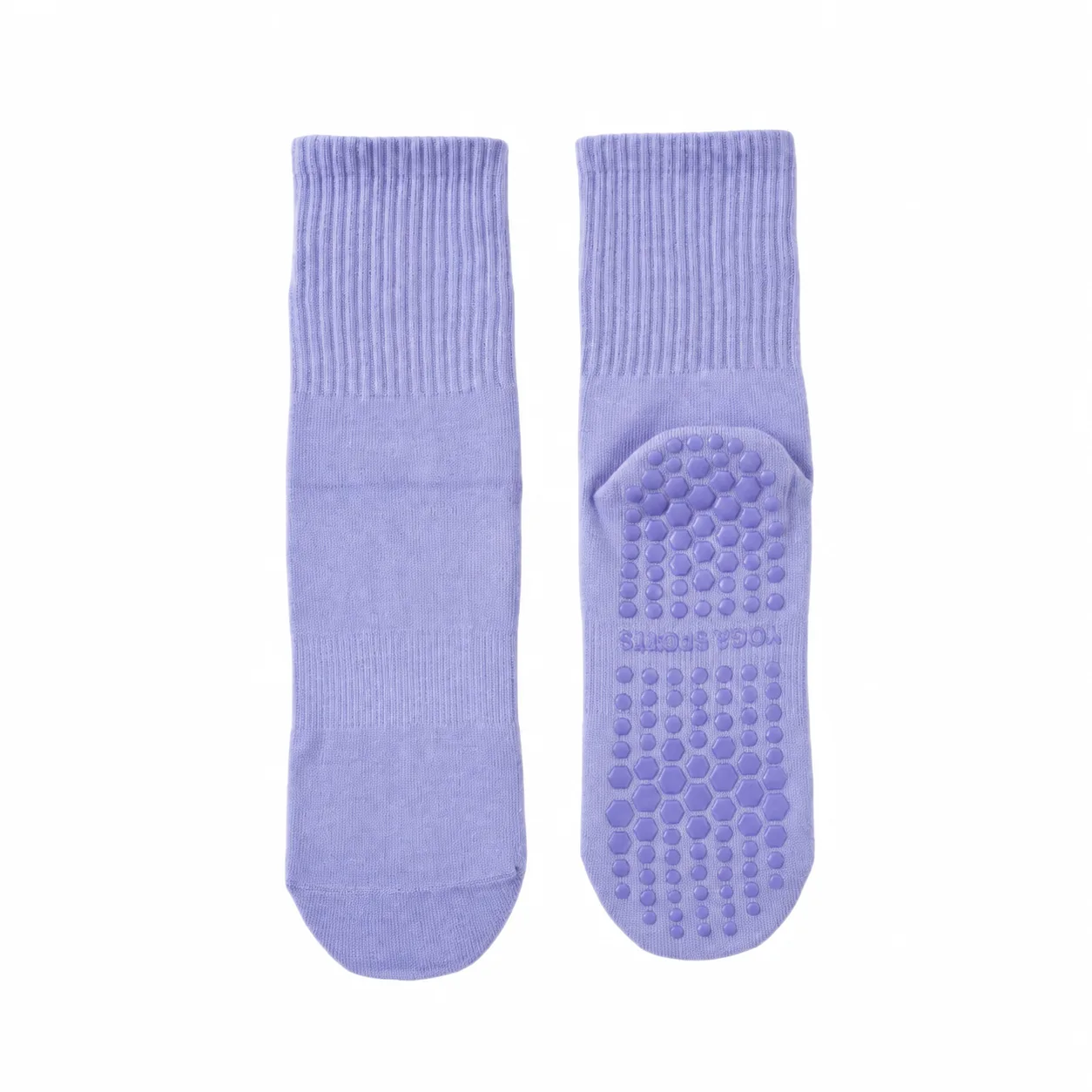
- Grip Socks for Closed-Chain Footbar & Standing Traction: On a smooth Reformer footbar, wooden floor, or vinyl carriage, bare or standard cotton-socked feet can slide during single-leg footwork, scooter lunges, and standing splits. Silicone-tread grip socks anchor the metatarsal heads and heel so you push through the hip extensors rather than clenching your toes.
- Reformer Towel for Scapular Stability and Headrest Hygiene: Perspiration on vinyl upholstery reduces friction beneath your upper back during supine shoulder bridges, overhead roll-overs, and short-box abdominal series. Laying a flat, absorbent reformer towel over the carriage pad preserves scapular traction and keeps the thoracic spine from sliding toward the headrest.
- Form-Fitting Outfit for Visual Pelvic & Ribcage Cueing: Loose sweatshirts or wide-leg shorts obscure anterior pelvic tilt, rib flare, and knee valgus, while dangling drawstrings or metal zippers can catch between Reformer coil springs. Packing a contoured Pilates outfit in your studio bag lets both you and your instructor monitor lumbopelvic neutrality in real time.
- Small Personal Props for Targeted Muscle Recruitment: Many regulars pack compact ankle weights, a deflated mini ball, or a Pilates ring in their studio tote to customize inner-thigh adduction or distal limb load during mat and hybrid sessions.
| Pilates Class Essential | Primary Biomechanical Function | Common Form Error When Missing or Misused | Immediate Alignment Fix | Studio Bag Packing Strategy |
|---|---|---|---|---|
| Silicone-Tread Grip Socks | Anchors foot tripod on footbar, carriage, and floor | Toe clawing and Achilles over-gripping on slick vinyl | Spread toes wide inside the sock and press through heel and first-fifth metatarsals | Store clean pair in an interior slip pocket so treads stay lint-free |
| Reformer Carriage Towel | Maintains upper-back friction during supine bridges and roll-ups | Shoulders sliding toward the headrest under spring load | Smooth towel flat across carriage pad without bunching at the cervical neck | Pack in a breathable or wipeable main compartment after class |
| Contoured Studio Outfit | Reveals pelvic tilt, ribcage closure, and femoral tracking | Hidden lumbar hyperextension under baggy layers; zipper snags | Choose flat-seamed apparel free of rear metal zippers that press into the spine | Fold neatly at the top of your studio tote above heavier items |
| Compact Ankle Weights / Ring | Adds controlled distal lever load or isometric adduction | Hip flexor dominance and anterior pelvic tipping from excessive weight | Select a light resistance that allows four-count eccentric control with quiet ribs | Place dense weights flat along the bottom gusset of the bag |
| Hair Tie & Small Valuables Pouch | Keeps cervical spine neutral on the headrest | Thick claw clips forcing forward head posture during supine footwork | Secure hair with a flat tie at the crown or nape so the occiput rests flat | Use a zippered interior pocket for rings, watches, and clips |
To keep your studio outfit, towel, grip socks, and personal props organized for every session, browse the PilatesFits Pilates Bags collection and pair your tote with a non-slip PilatesFits reformer towel for dependable carriage grip.
3 Common Mistakes With Pilates Class Essentials and How to Fix Each One
Even when studio-goers bring the right pilates class essentials, small setup oversights can trigger compensatory muscle recruitment during class.
Mistake 1: Wearing Thick Claw Hair Clips or Bulky Rear Zippers Supine
Lying supine on a Reformer carriage or floor mat with a raised plastic claw clip behind the skull pushes the cervical spine into forced flexion—especially risky during shoulder bridges, pelvic lifts, and overhead jackknife variations where cervical load must remain zero. Swap rigid clips for a flat fabric tie stored in your bag’s accessory pocket, and verify your leggings have a smooth waistband free of back zippers that dig into the sacrum during rolling like a ball.
Mistake 2: Letting a Plush Bath Towel Bunch Under the Neck or Knees
Bringing an overly thick household bath towel instead of a flat studio reformer towel creates uneven ridges beneath your thoracic spine or kneeling shin. In quadruped knee stretches, a bunched towel shifts weight unevenly between the left and right patella, causing pelvic rotation. Smooth a low-profile reformer towel flat against the carriage pad, or fold it once into a crisp rectangle when extra knee cushioning is needed.
Mistake 3: Overloading a Single-Shoulder Bag With Unbalanced Heavy Props
Stuffing ankle weights, a full metal water bottle, and street shoes loosely into an unstructured bag creates an asymmetrical load during your commute, encouraging unilateral upper-trapezius hiking before class even begins. Pack dense items centered at the base of your studio bag and check the specific bag SKU for pocket layout rather than assuming built-in shoe tunnels or waterproof dividers are included on every tote.
Self-Check Alignment Protocol Before Your Next Session
Run through this sixty-second pre-class check as you unpack your bag at your studio cubby:
- Foot & Sock Traction Check: Put on clean grip socks and verify the silicone dots sit squarely beneath the heel and ball of the foot rather than twisted toward the arch.
- Occiput & Spine Contact Check: Remove watches, rings, bracelets, and raised hair clips, placing them into your bag’s interior pocket so your wrists clear the Reformer straps and your head rests flat.
- Carriage Surface Prep: Lay your reformer towel smooth across the carriage pad with the top edge aligned below the shoulder blocks so it never slides into your neck gap.
Frequently Asked Questions
What essentials should you pack in a Pilates bag for studio classes, and how do practitioners carry grip socks, towels, and props?
A Pilates tote or studio bag carries your Pilates outfit and small essentials, with studio-goers typically packing grip socks, a reformer towel, and small props like ankle weights, a Pilates ring, or a mini ball. Keeping heavier accessories flat at the bottom of the bag and tucking grip socks and hair ties into interior pockets prevents items from shifting or tangling during your commute.
What is the most common mistake people make with what to bring to pilates class?
The most frequent mistake when deciding what to bring to pilates class is overlooking how small details—such as slick cotton socks, raised hair clips, or loose drawstring layers—disrupt supine cervical alignment and footbar traction once spring tension is applied.
How do pilates class essentials affect alignment and muscle activation in Pilates?
Proper pilates class essentials directly support neuromuscular precision: grip socks prevent toe-clawing so the glutes and hamstrings drive footwork, a flat reformer towel stops upper-back sliding during bridges, and form-fitting apparel allows accurate visual checks of ribcage closure and pelvic neutrality.
Make it part of your practice
Explore the ivory studio duffel with black trim and check its product details before choosing your studio essentials.
View this piece