Evaluating a Pilates mat vs yoga mat—and understanding the mechanical difference between yoga mat and Pilates mat construction—comes down to how foam density, rebound thickness, surface traction, and overall dimensions protect your spine during high-contact floor exercises. While a standard yoga mat is engineered with a thin, tacky surface to anchor bare hands and feet in static standing postures, a dedicated Pilates mat prioritizes closed-cell shock absorption and smooth surface glide so your vertebrae never bruise against hard flooring during rolling articulations.
According to the PilatesFits catalog listing, the Pilates Mats collection covers mats for floor exercises and studio sessions, compared by thickness, dimensions, material, and care instructions.
Key Specifications to Compare When Shopping for Pilates Mat Vs Yoga Mat
When comparing a Pilates mat vs yoga mat for home or studio training, four core specifications determine how the surface responds under body weight and dynamic movement.
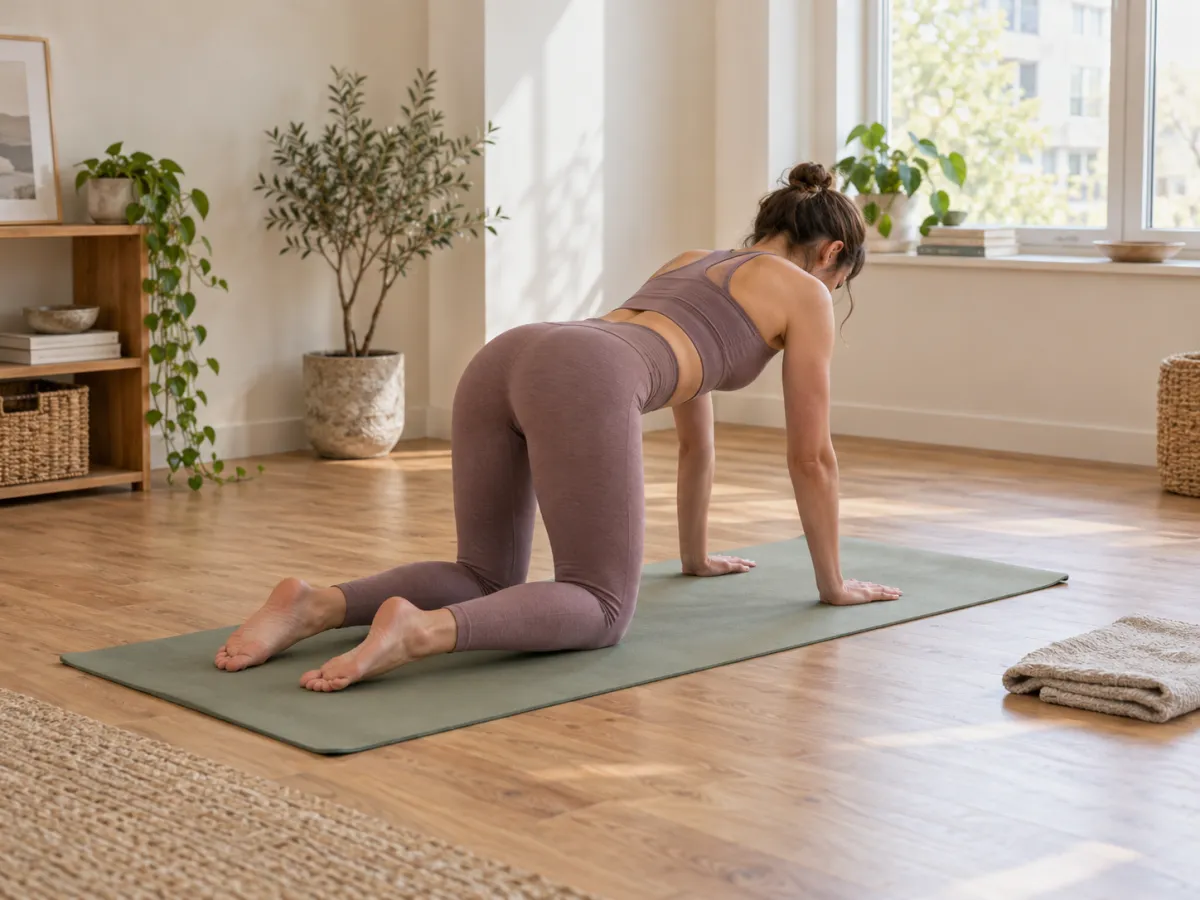
First, examine cushioning thickness and compressive foam density. Pilates mat repertoire includes repeated spinal rolling—such as Rolling Like a Ball, Open Leg Rocker, and the Seal—where your body weight concentrates onto individual spinous processes and the posterior pelvis. A thin yoga mat bottoms out immediately under that point load, whereas a thicker, high-density Pilates mat distributes pressure evenly without letting your hips sink excessively. However, thickness must be balanced with stability: ultra-plush foam cushions supine rolling beautifully on hardwood floors, yet can challenge ankle proprioception if you transition into single-leg standing balance variations.
Second, evaluate surface texture and rotational glide. Understanding the difference between yoga mat and Pilates mat grip saves your knees and skin from friction burn. Yoga mats use sticky textures to stop hands from sliding in Downward Dog, but in Pilates, you frequently pivot from supine to side-lying or sweep your legs across the mat surface. A subtle micro-ribbed or smooth closed-cell finish gives you secure anchoring without catching your skin during transitions.
Third, check length, width, and closed-cell material hygiene. Pilates movements like the Saw, Spine Stretch Forward, and Swan require generous torso and limb reach, making full-length and slightly wider dimensions helpful for keeping your heels and sacrum on padded foam. Closed-cell TPE or NBR formulations also block sweat absorption so the mat wipes clean easily after studio or home sessions.
Pilates Mat Vs Yoga Mat vs Difference Between Yoga Mat And Pilates Mat: Side-by-Side Comparison Matrix
Use the five-row specification and biomechanical comparison matrix below to see the exact difference between yoga mat and Pilates mat performance across movement types:
| Specification & Performance Criterion | Dedicated Cushioned Pilates Mat | Standard Thin Yoga Mat | Biomechanical Impact on Your Body | Ideal Training Environment & Prop Pairing |
|---|---|---|---|---|
| Cushioning & Compressive Rebound | Thicker, high-density foam engineered to absorb point loads under the spine and hips | Thinner profile designed for direct floor feel and firm vertical grounding | Cushioned Pilates mats protect vertebrae during rolling and side-lying hip series | Hard wood, tile, or concrete home floors paired with a magic circle and mini ball |
| Surface Texture & Transition Glide | Smooth or lightly ribbed closed-cell finish that allows controlled pivoting | High-friction tacky or textured grip built to lock bare palms and feet in place | Smooth Pilates surfaces prevent skin drag when rotating from supine to prone | Dynamic mat Pilates flows, spine articulation sequences, and side-kick blocks |
| Standing Single-Leg Balance Stability | Slightly softer underfoot feel that increases ankle stabilizer demand | Firm, low-to-the-ground platform for static one-legged standing poses | Step onto firm flooring or a thinner surface if practicing extended standing balance | Hybrid sessions combining floor core work with standing footwork warm-ups |
| Footprint Dimensions (Length & Width) | Generous length and width to accommodate full supine extension and wide straddles | Compact rectangular cut optimized for crowded group yoga studio grids | Extra width keeps heels and elbows on cushioned foam during the Saw and Corkscrew | Home mat spaces and dedicated Pilates mat classes with ample floor clearance |
| Moisture Resistance & Care Protocol | Closed-cell construction that repels perspiration and wipes clean with mild soap | Often open-cell rubber or porous polyurethane that absorbs moisture deeply | Non-absorbent closed-cell surfaces dry quickly and resist lingering studio odors | High-frequency home practice or shared studio equipment rotations |
Step-by-Step Selection Checklist for Studio and Home Practitioners
Before choosing a mat from the PilatesFits Pilates Mat collection, walk through this four-step buying and fit checklist:
- Match foam cushioning to your floor surface and repertoire: If you practice Rolling Like a Ball, Teaser, or Side Kick Kneeling over hardwood or tile, prioritize a thicker high-density mat for vertebral and patellar comfort, while noting on each individual product listing how thickness trades off against single-leg standing firmness.
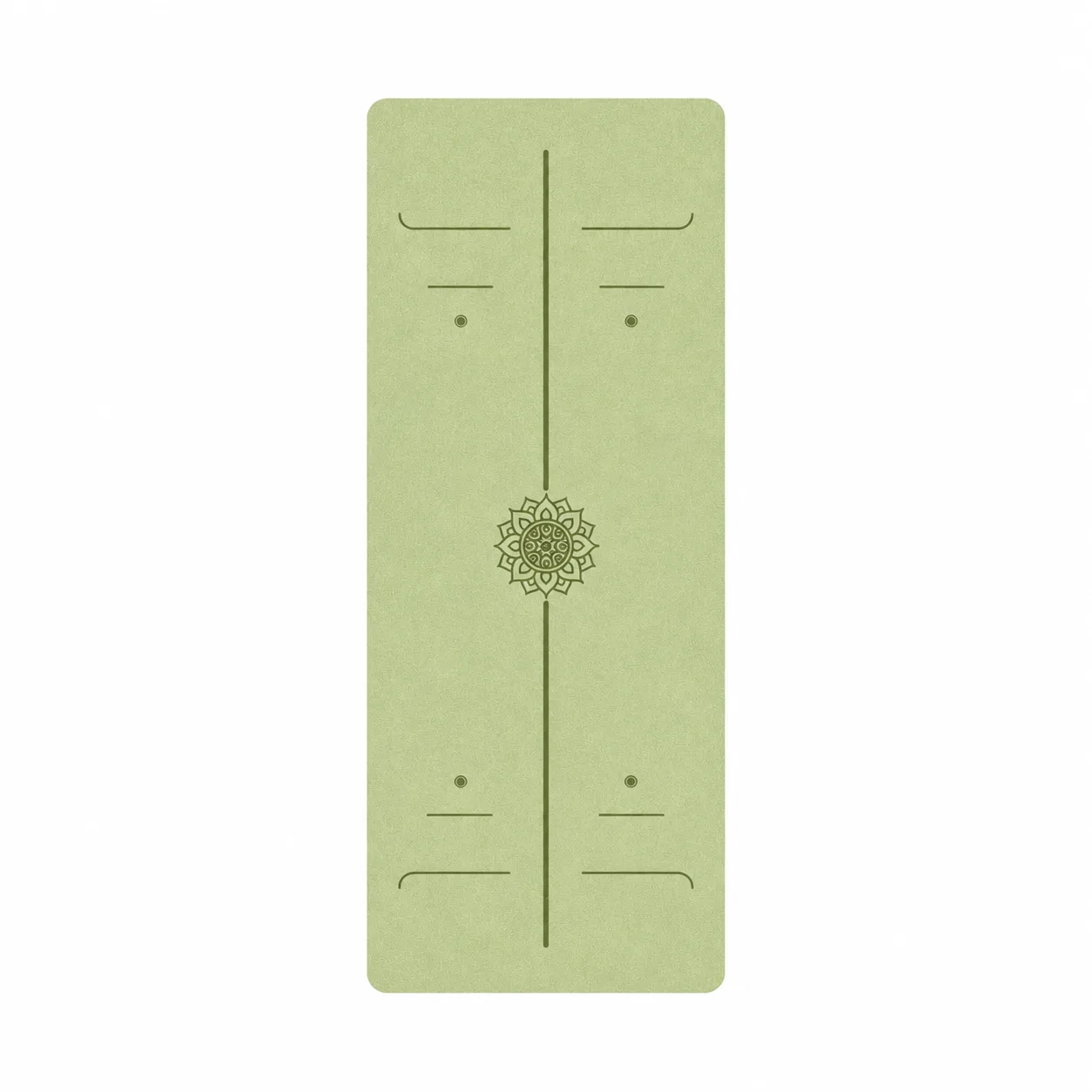
- Measure your supine full-body reach: Lie flat on the floor with your arms extended overhead and legs lengthened; verify the mat dimensions listed on the product page cover your full crown-to-heel span plus shoulder clearance.
- Pair with compact home Pilates props: As home Pilates practitioners frequently recommend, combine your cushioned mat with a resistance ring from the Pilates Ring collection and a mini ball to build a complete, space-saving floor studio without needing a full Reformer frame.
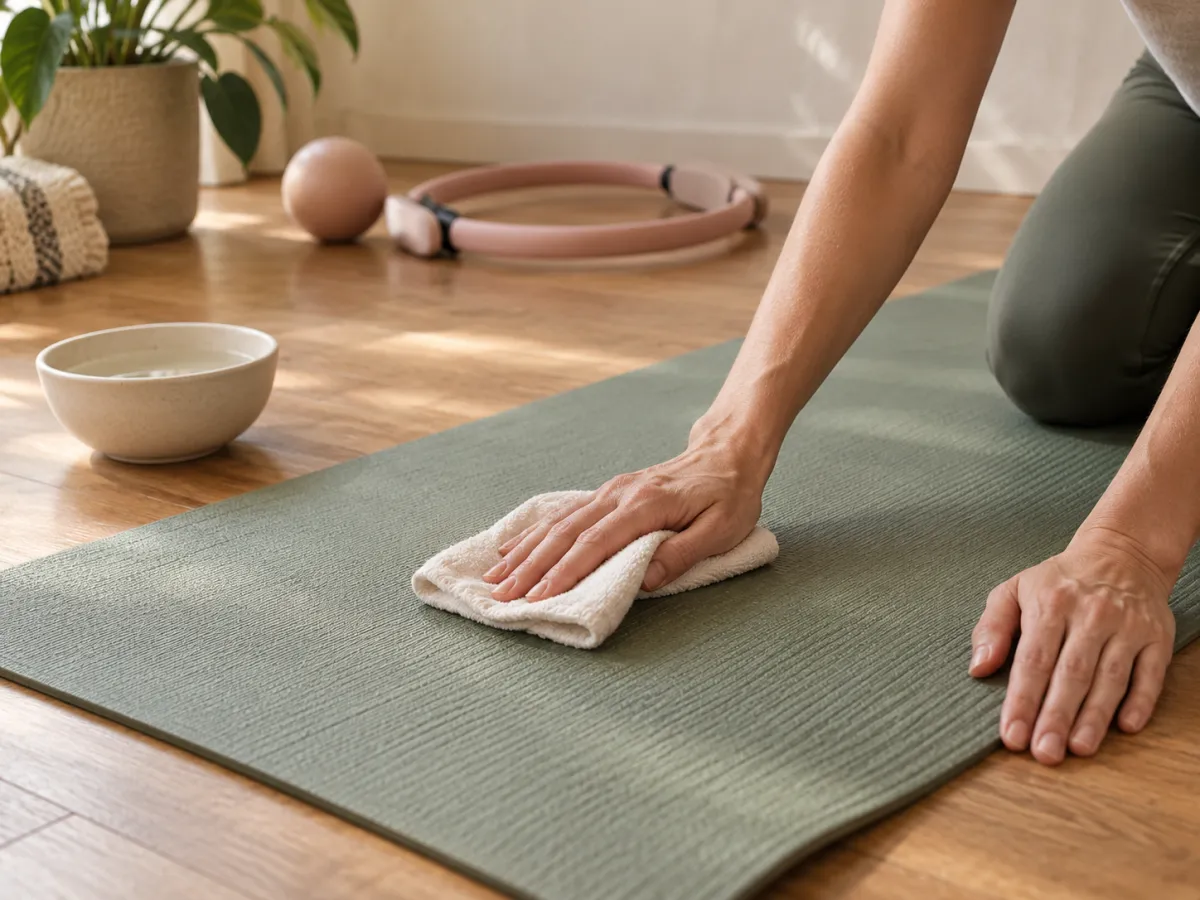
- Review material care and storage habits: Confirm the mat’s care instructions, wipe the surface with a damp microfiber cloth after each workout, and roll it loosely with the top side facing outward so the corners lie flat immediately when unrolled.
Frequently Asked Questions
How thick should a Pilates mat be compared to a standard yoga mat for protecting the spine during rolling mat exercises?
Unlike thin yoga mats built primarily for standing traction, a Pilates mat uses noticeably thicker, higher-density cushioning—alongside generous length, width, and closed-cell material—to pad the spinous processes, sacrum, and knees during rolling floor exercises. Always check the individual mat listing for exact thickness and material specifications, and pair a cushioned mat with a magic circle and mini ball for well-rounded home mat work.
What specifications matter most when comparing pilates mat vs yoga mat?
The most important specifications to compare are cushioning thickness and foam density for spinal protection on hard floors, overall length and width for full-body supine reach, closed-cell material construction for sweat resistance, and specific care instructions so the foam maintains its rebound over time.
How does pilates mat vs yoga mat compare to difference between yoga mat and pilates mat for regular Pilates sessions?
The core difference between a yoga mat and a Pilates mat in regular sessions is mechanical purpose: a Pilates mat cushions rolling spinal articulation and side-lying hip series with high-density shock absorption and smooth pivoting, whereas a thin yoga mat prioritizes sticky barefoot traction and firm standing balance.
Make it part of your practice
Explore the black roll-up exercise mat and check its product details before choosing your studio essentials.
View this piece