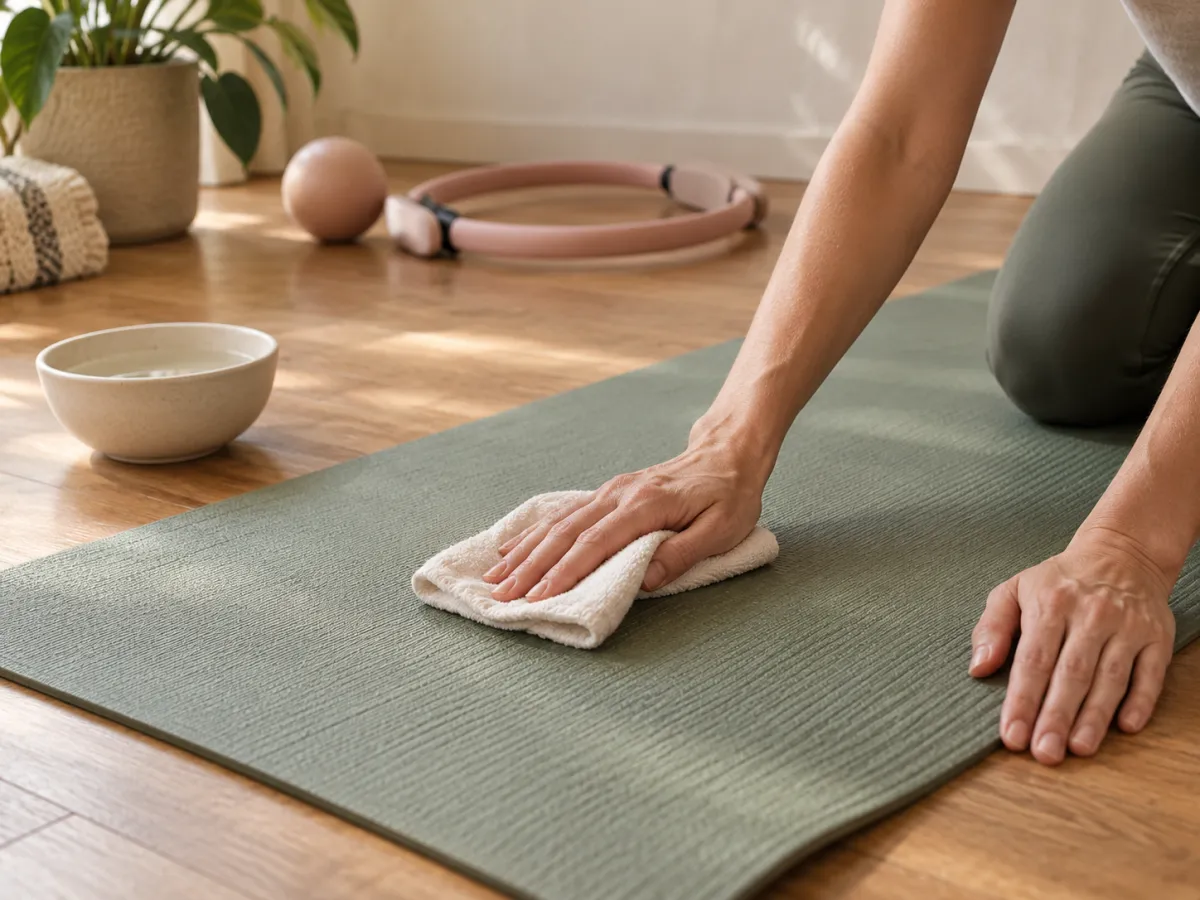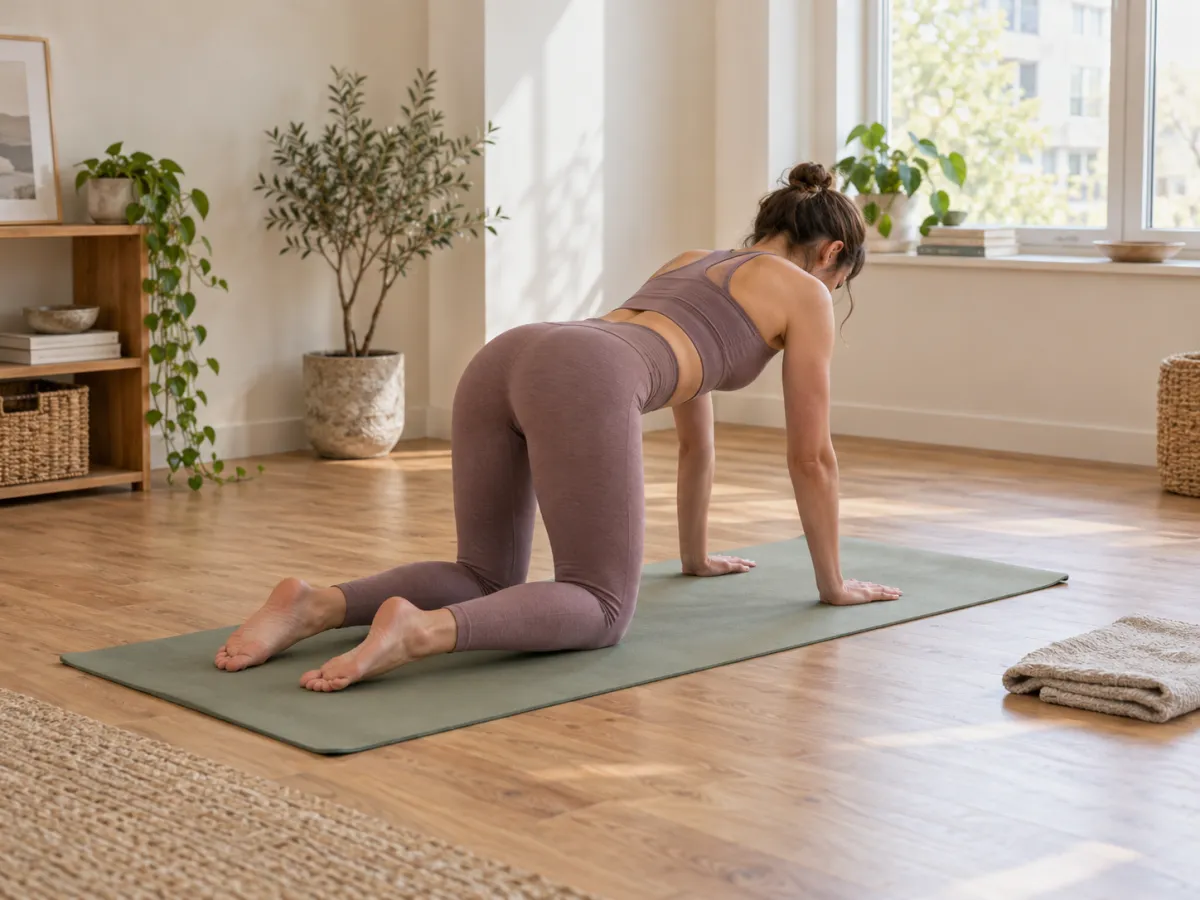
Preventing spine bruising from rolling like a ball requires both a high-density closed-cell mat that cushions your spinous processes and deep abdominal flexion that rounds the lumbar curve before it contacts the floor. When practitioners experience tailbone pain on pilates mat surfaces during rolling sequences, the root cause is usually a combination of insufficient vertical foam damping and an anterior or flat lumbar posture that causes the sacrum and coccyx to strike the subfloor like a flat board rather than a curved wheel. Pairing a supportive cushioned mat with targeted small-prop resistance teaches the deep core to articulate vertebra by vertebra without bony impact.
According to the PilatesFits catalog listing, the Pilates Mats collection covers mats for floor exercises and studio sessions, compared by thickness, dimensions, material, and care instructions.
How Spine Bruising From Rolling Like A Ball Fits Into a Complete Pilates Training System
In a complete home or studio Pilates setup, rolling exercises test whether your mat cushioning and axial flexion mechanics work in harmony. Unlike static supine exercises where load is distributed across the entire ribcage and pelvis, Rolling Like a Ball, Open Leg Rocker, and Seal concentrate body weight onto a narrow rolling contact patch that travels from the achter-ischial tuberosities across the sacrum and lumbar spinous processes to the inferior angles of the scapulae.
| Setup & Biomechanical Element | Thin Yoga Mat on Hard Floor | Thick Closed-Cell Pilates Mat Alone | Thick Mat + Magic Circle & Mini Ball System | Impact on Spinal Articulation & Tailbone Load |
|---|---|---|---|---|
| Spinous Process Cushioning | Minimal vertical damping; vertebral knobs hit the subfloor | High closed-cell compression recovery absorbs focal bony load | Plush foam damping plus active muscular decompression of vertebrae | Prevents midline tenderness and skin bruising along the spine |
| Coccyx & Sacral Clearance | Concentrates abrupt impact at the sacrococcygeal junction | Softens landing but still allows flat-back thudding if core disengages | Inner-thigh or ankle prop squeeze recruits pelvic floor and deep abs | Smooths the transition from sit-bones to sacrum without tailbone pain |
| Lumbar C-Curve Maintenance | Encourages protective shoulder hiking and hip-flexor gripping | Supports supine imprinting during slow warm-up prep | Tactile feedback keeps transversus abdominis engaged throughout the roll | Eliminates the flat lumbar spot that causes a heavy mid-roll clunk |
| Hip Flexor vs Core Balance | Superficial psoas and rectus femoris overwork to hold balance | Reduces floor fear so practitioners can soften hip creases | Adductor co-contraction shifts workload into the deep abdominal wall | Stops thighs from pulling the pelvis into anterior tilt at the balance point |
| Progression Versatility | Limited to static standing and non-rolling floor work | Ideal foundation for full supine, side-lying, and rolling series | Scales from assisted decompression to narrow-lever control challenges | Builds studio-grade spinal mobility without bulky apparatus clutter |
Addressing spine bruising from rolling like a ball starts by inspecting both your floor surface and your prop kit. Home practitioners who practice on hardwood or tile floors benefit from a cushioned mat from the Pilates Mats collection paired with a magic circle and mini ball. While the closed-cell foam cushions the posterior vertebral prominences, squeezing a prop between the thighs or ankles activates the adductor-pelvic-floor myofascial chain, helping you round the lower back before weight ever transfers onto the sacrum.
Progressive Sequence Combining Spine Bruising From Rolling Like A Ball and Tailbone Pain On Pilates Mat
Use this structured three-block flow to eliminate tailbone pain on pilates mat routines and build smooth, bruise-free rolling mechanics:
Block 1: Warm-Up Activation — Assisted Sacral Unurling With a Mini Ball or Magic Circle
Before attempting a full roll, lie supine on your cushioned mat with knees bent and feet flat. Place a soft mini ball between your inner thighs—or position a Pilates ring just above the knees—and gently squeeze on an exhale to draw the pubic bone toward the navel. Feel each lumbar vertebra imprint sequentially into the foam without pushing through your heels or clenching the glutes. Repeat several slow pelvic curls until the sacrum glides smoothly across the mat without any sharp pressure at the tailbone tip.
Block 2: Peak Control — Prop-Assisted Rolling Like a Ball With Constant Heel-to-Seat Distance
Sit balanced just behind your sit-bones with knees drawn toward your shoulders, holding the outside pads of a magic circle in your hands in front of your shins or hugging a mini ball behind your hamstrings. Keep your gaze directed toward your low belly—never throwing the head backward—and initiate the roll by scooping the deep abdominals further backward while maintaining gentle pressure on the prop. Roll only to the base of the shoulder blades (never onto the cervical spine) and exhale to return to the balance point behind the sit-bones without letting the heels drop or the lumbar spine flatten.
Block 3: Decompression — Spine Stretch Forward and Supine Ribcage Breathing
Finish your rolling block by sitting tall on the mat with legs extended wider than hip-width for Spine Stretch Forward. Inhale to lengthen the crown of the head toward the ceiling, then exhale to peel the chin, upper back, and middle back forward as if rounding over a beach ball while keeping the sacrum anchored vertically. This axial elongation releases residual paraspinal tension accumulated during rolling work.
How to Progress Challenge Week Over Week Without Buying Redundant Gear
Once you can complete your rolling series on a cushioned mat with zero spinal tenderness or tailbone thudding, progress the biomechanical challenge using your existing mat and small props rather than adding clutter:
- Shorten the Lever Distance Between Heels and Sit-Bones: Bringing your heels closer to your glutes and your thighs closer to your ribcage tightens the radius of your spinal wheel, requiring stronger eccentric control from the internal obliques to keep the roll silent.
- Slow the Tempo and Add a Two-Breath Hover at the Balance Point: Pause behind the sit-bones for two full ribcage breaths before and after each roll, verifying that your shoulders remain wide and your hip flexors stay relaxed while the deep core sustains the C-curve.
- Transition from Rolling Like a Ball into Open Leg Rocker Prep: Move the magic circle between the ankles or hold the calves with legs extended into a V-shape, raising the center of mass so your abdominals must control a longer upper-and-lower-limb lever across the cushioned mat.
Frequently Asked Questions
How thick should a Pilates mat be compared to a standard yoga mat for protecting the spine during rolling mat exercises?
Pilates mats are compared by thickness, dimensions, material, and care instructions for floor and studio exercises, with home Pilates practitioners recommending a thick mat paired with a magic circle and mini ball to cushion the spine during mat work. Unlike thin yoga mats designed for standing floor contact, a thicker closed-cell Pilates mat absorbs focal pressure along the spinous processes and sacrum during rolling sequences.
How do you combine spine bruising from rolling like a ball with other Pilates props or outfits?
Pair a cushioned closed-cell Pilates mat with a magic circle or mini ball squeezed between the inner thighs or ankles to activate the adductor-to-deep-core connection that rounds the lumbar spine. Wear smooth, flat-seamed Pilates apparel without bulky back zippers, plastic waistband toggles, or thick knots that press into the vertebrae when rolling backward.
What is the best way to progress tailbone pain on pilates mat once basic movements feel easy?
Once assisted pelvic curls and wide-lever rolling feel comfortable and completely pain-free on a thick mat, progress by drawing your heels closer to your sit-bones, slowing the rolling tempo to eliminate momentum, and adding a two-breath balance pause behind the sit-bones before advancing to Open Leg Rocker variations.
Make it part of your practice
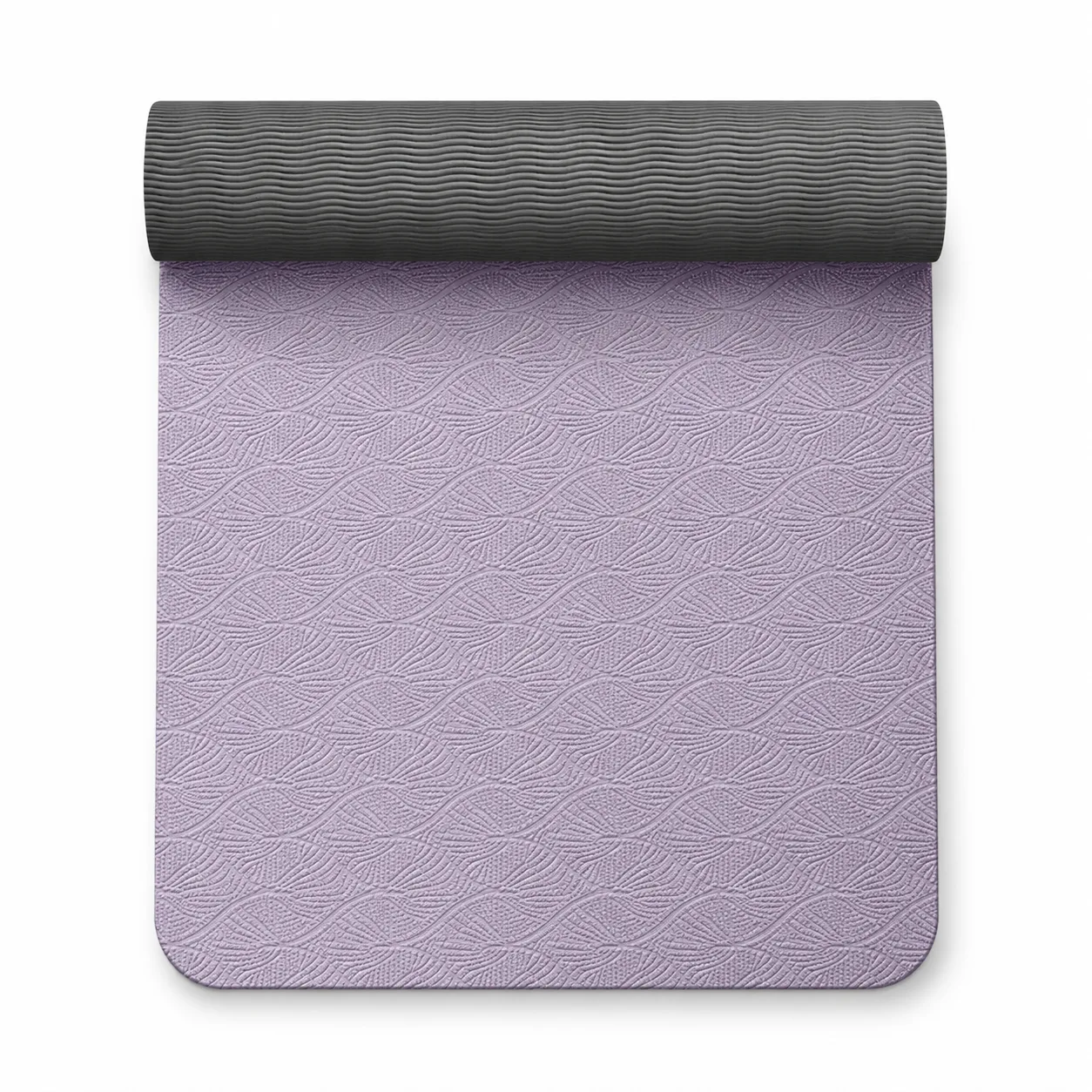
Explore the black roll-up exercise mat and check its product details before choosing your studio essentials.
View this piece