Setting up an effective home practice with a thick Pilates mat—and knowing what defines the best thick mat for Pilates when translating studio Reformer flows to the floor—allows you to train spinal articulation, eccentric core control, and lower-body alignment without a studio carriage. While a cushioned floor mat does not have mechanical steel springs or a sliding frame, pairing high-density vertebral padding with deliberate tempo, lever manipulation, and compact resistance props recreates the core challenge of classic Reformer repertoire in any living room.
According to the PilatesFits catalog listing, the Pilates Mats collection covers mats for floor exercises and studio sessions, compared by thickness, dimensions, material, and care instructions.
How Thick Pilates Mat Translates Reformer Mechanics to the Floor
To substitute floor work for apparatus sessions effectively, it helps to understand both what a thick Pilates mat replicates and where its honest mechanical boundaries lie.
First, consider spinal articulation and point-load cushioning. On a studio Reformer, the upholstered carriage pad supports your dorsal spine during Short Spine Massage, Pelvic Lift, and Roll Down variations. When you bring those rolling movements to a hard hardwood or tile floor, a thin mat lets your spinous processes and sacrum press painfully against the subfloor. The best thick mat for Pilates uses dense closed-cell foam to absorb that vertical compression so you can articulate vertebra by vertebra without defensive muscle guarding.
Second, examine how gravity and prop tension replace carriage springs. Without horizontal spring resistance, mat Pilates uses gravity, limb lever length, and isometric prop compression to load the powerhouse. As home Pilates practitioners on Reddit consistently recommend, pairing a thick mat with a magic circle and a mini stability ball gives you adductor, abductor, and deep transverse abdominis resistance that closely mirrors Reformer Footwork, Frog, and Short Box series.
Third, respect standing balance trade-offs. While generous foam cushioning protects your spine and knees during supine and kneeling sequences, very thick plush foam compresses under a single foot—meaning you should step onto the bare floor or a firmer surface during standing single-leg balance drills to preserve crisp ankle stability.
Step-by-Step Best Thick Mat For Pilates Sequence: Core, Glutes & Spinal Articulation
Use the five-row Reformer-to-mat translation matrix below to structure a complete at-home sequence on your thick Pilates mat:
| Studio Reformer Exercise | At-Home Thick Pilates Mat Equivalent | Biomechanical & Cushioning Role of the Mat | Prop Pairing & Tempo Cue | Honest Mechanical Boundary |
|---|---|---|---|---|
| Reformer Footwork & Hundred | Supine Tabletop Hundred with Magic Circle Pulse | Supports thoracic flexion pivot point and posterior rib imprint on hard floors | Squeeze a Pilates ring between the ankles or knees during slow five-count breath cycles | Uses gravity and isometric ring tension rather than horizontal footbar spring push |
| Short Spine & Rolling Series | Rolling Like a Ball & Open Leg Rocker | Cushions individual spinous processes and sacrum during dynamic posterior momentum | Hold a mini ball between the calves or ankles to lock hamstring-to-seat connection | Requires intrinsic abdominal braking rather than overhead strap support |
| Pelvic Lift & Scooter | Articulated Shoulder Bridge with Adductor Squeeze | Pads cervical-thoracic transition and upper traps at peak hip extension | Pulse a magic circle or mini ball between the inner thighs at the top of the bridge | Loads glutes and hamstrings vertically against gravity instead of a sliding carriage |
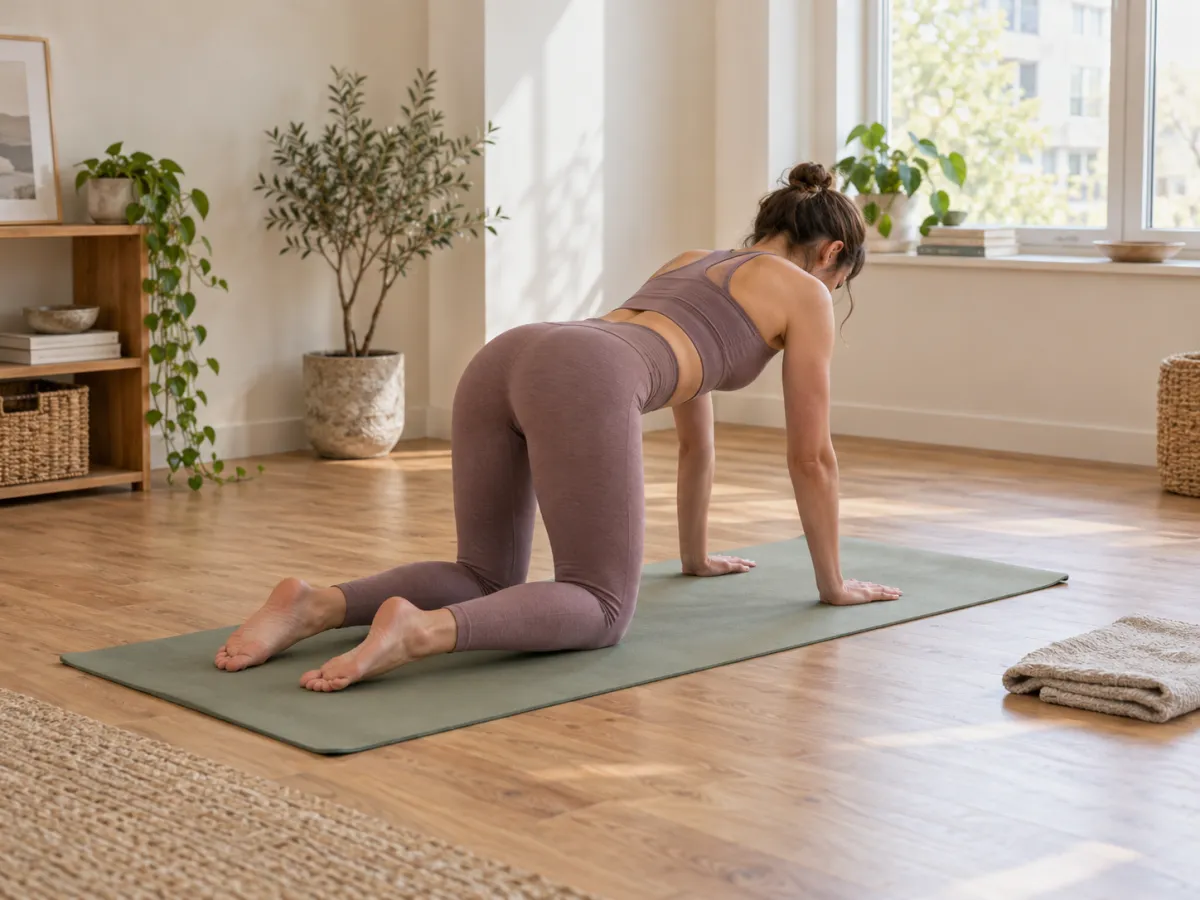
| Side Splits & Knee Stretch | Side-Kick Kneeling & Quadruped Hover Series | Protects weight-bearing patella, shin, and greater trochanter from hard floor pressure | Keep torso long and pause at full hip abduction before a slow eccentric return | Relies on bodyweight lever length rather than variable spring tension |
| Long Box Swan & Pulling Straps | Prone Thoracic Swan Prep with Prop Reach | Cushions pubic symphysis and anterior hip bones during prone spinal extension | Hold a Pilates ring overhead or behind the hips to cue scapular depression and adduction | Focuses on anti-gravity posterior chain endurance rather than pulley cable excursion |
Setup Boundaries and Progression Rules Without a Studio Machine
When building your home floor routine around a mat from the PilatesFits Pilates Mat collection, follow these four setup and progression rules:
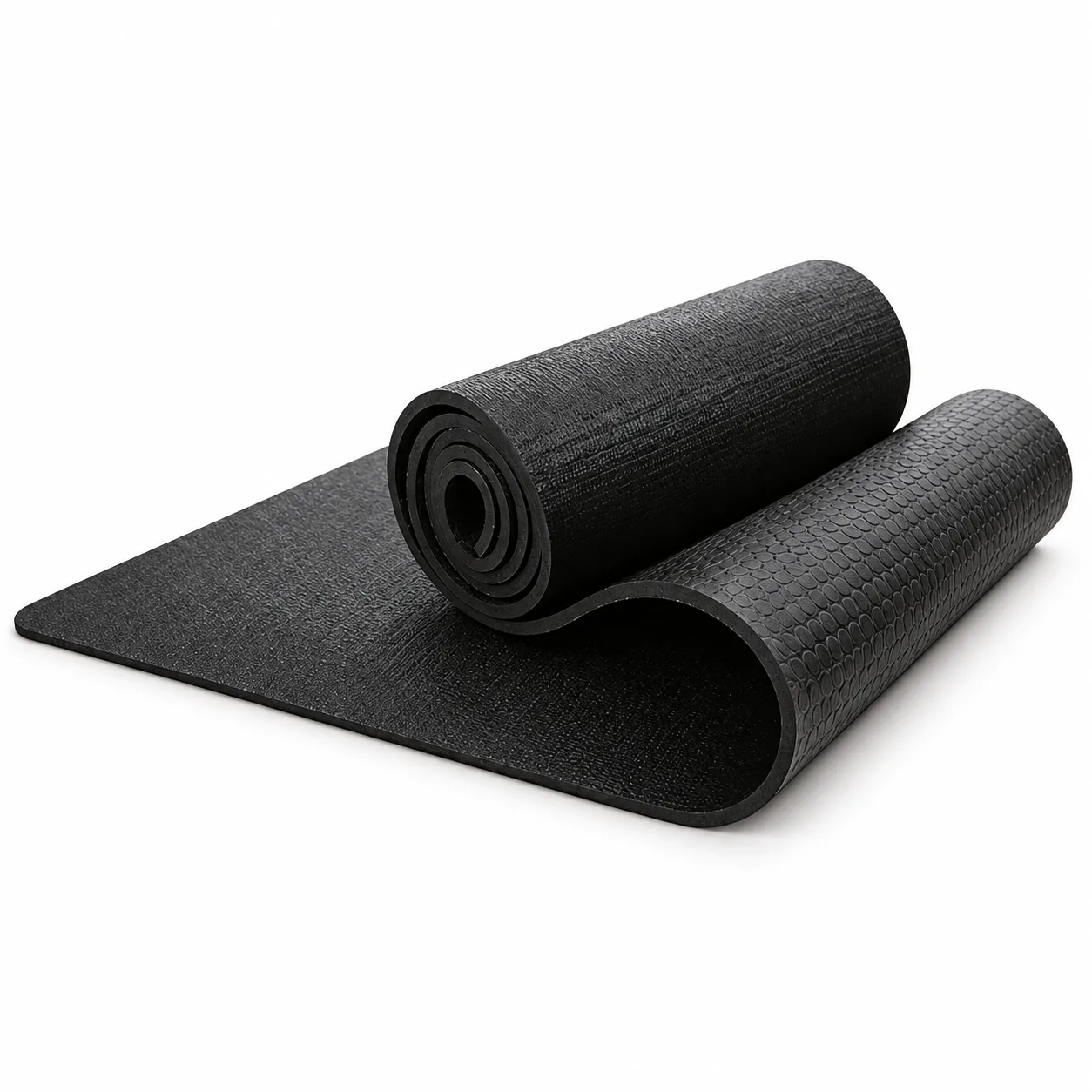
- Check individual product specs for thickness and dimensions: Because mats in the collection are compared by thickness, dimensions, material, and care instructions, review each individual mat listing to match foam density and crown-to-heel length to your height and floor hardness.
- Add a magic circle and mini ball for progressive resistance: Pair your mat with a tension ring from the Pilates Ring collection and a small stability ball so you can increase isometric core and inner-thigh demand once bodyweight repetitions feel easy.
- Step off plush foam for single-leg standing work: Perform supine rolling, kneeling glute series, and prone extension on your thick Pilates mat, then step onto firm flooring for standing Scooter lunges or single-leg balance variations so ankle proprioception stays sharp.
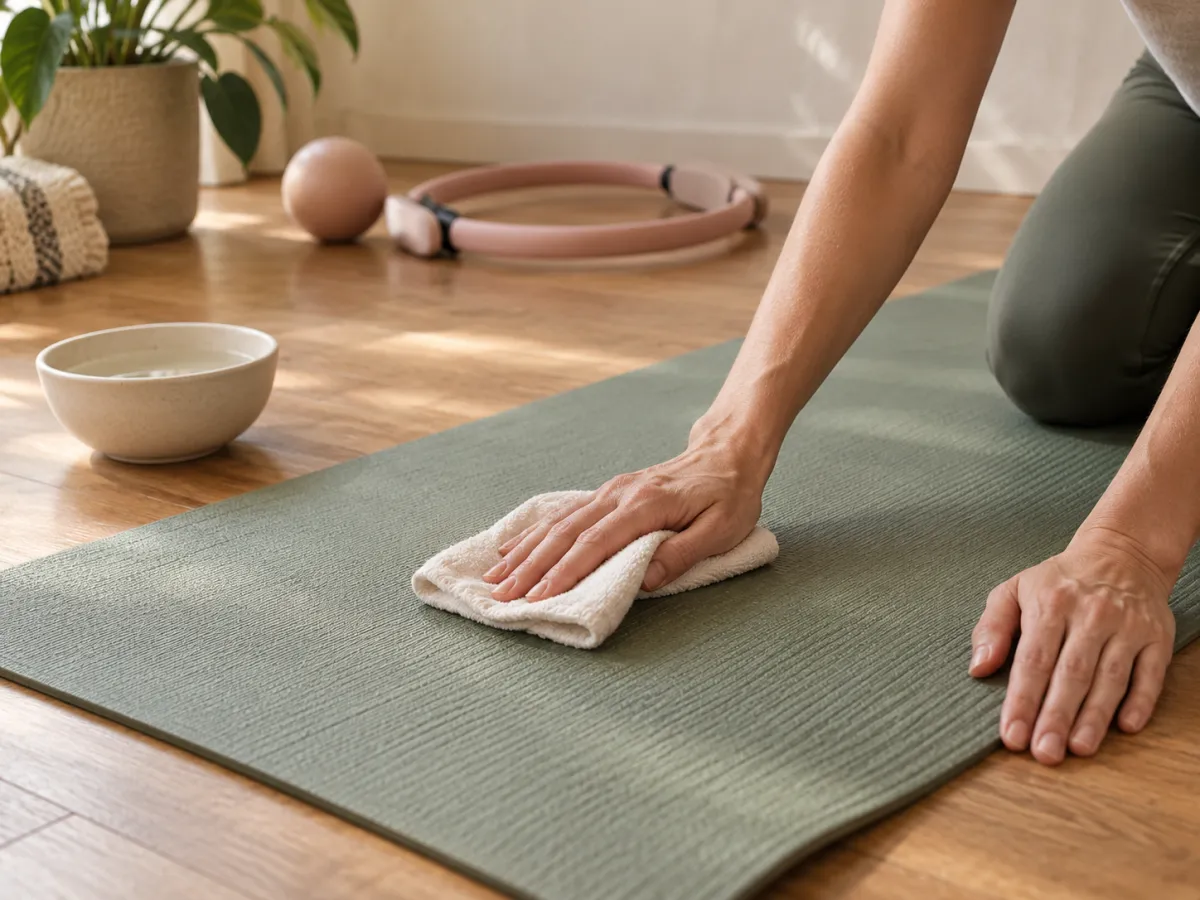
- Wipe down and unroll flat before each flow: Follow the product care instructions by wiping closed-cell foam with a damp microfiber cloth after practice and letting the mat air-dry flat before rolling it loosely for storage.
Frequently Asked Questions
How thick should a Pilates mat be compared to a standard yoga mat for protecting the spine during rolling mat exercises?
Compared to a thin yoga mat designed for standing barefoot traction, a Pilates mat uses substantially thicker, high-density cushioning—alongside full-body length, width, and supportive closed-cell material—to pad the vertebrae during rolling floor exercises. Always check the individual product listing for exact thickness and material specs, and pair a thick mat with a magic circle and mini ball for home Reformer-style mat sessions.
Can thick pilates mat replace a studio Reformer workout at home?
A thick Pilates mat cannot replicate the mechanical spring tracks or moving carriage of a studio Reformer, but when paired with a magic circle, mini ball, and slow eccentric tempo, it effectively translates core stabilization, spinal articulation, and glute sculpting to the floor at a fraction of the space and cost.
How do you structure a balanced best thick mat for pilates routine for core and lower body?
Start with supine breath imprint and Hundred variations on the cushioned mat, progress to articulated shoulder bridges and rolling spine work using a magic circle or mini ball for adductor tension, move through kneeling side-kick glute series, and finish with prone thoracic extension—stepping onto firm flooring if you add standing single-leg balance drills.
Make it part of your practice
Explore the lavender wave-texture exercise mat and check its product details before choosing your studio essentials.
View this piece